
Reflecting on Gary Lang’s The Other Side of Me on National Sorry Day
On National Sorry Day, The Other Side of Me stands as a reminder that contemporary First Nations dance is not only artistic expression, but cultural continuity, truth-telling and care. It asks us not only to witness history, but to consider our responsibility to it.
On National Sorry Day, we recognise the Stolen Generations, we celebrate their strength and resilience and we acknowledge the ongoing impacts of the forced removal of Aboriginal and Torres Strait Islander children on Indigenous peoples, families and communities. The Other Side of Me by Gary Lang NT Dance Company sits directly within this context.
The Other Side of Me and Gary Lang reclaim space for Indigenous stories
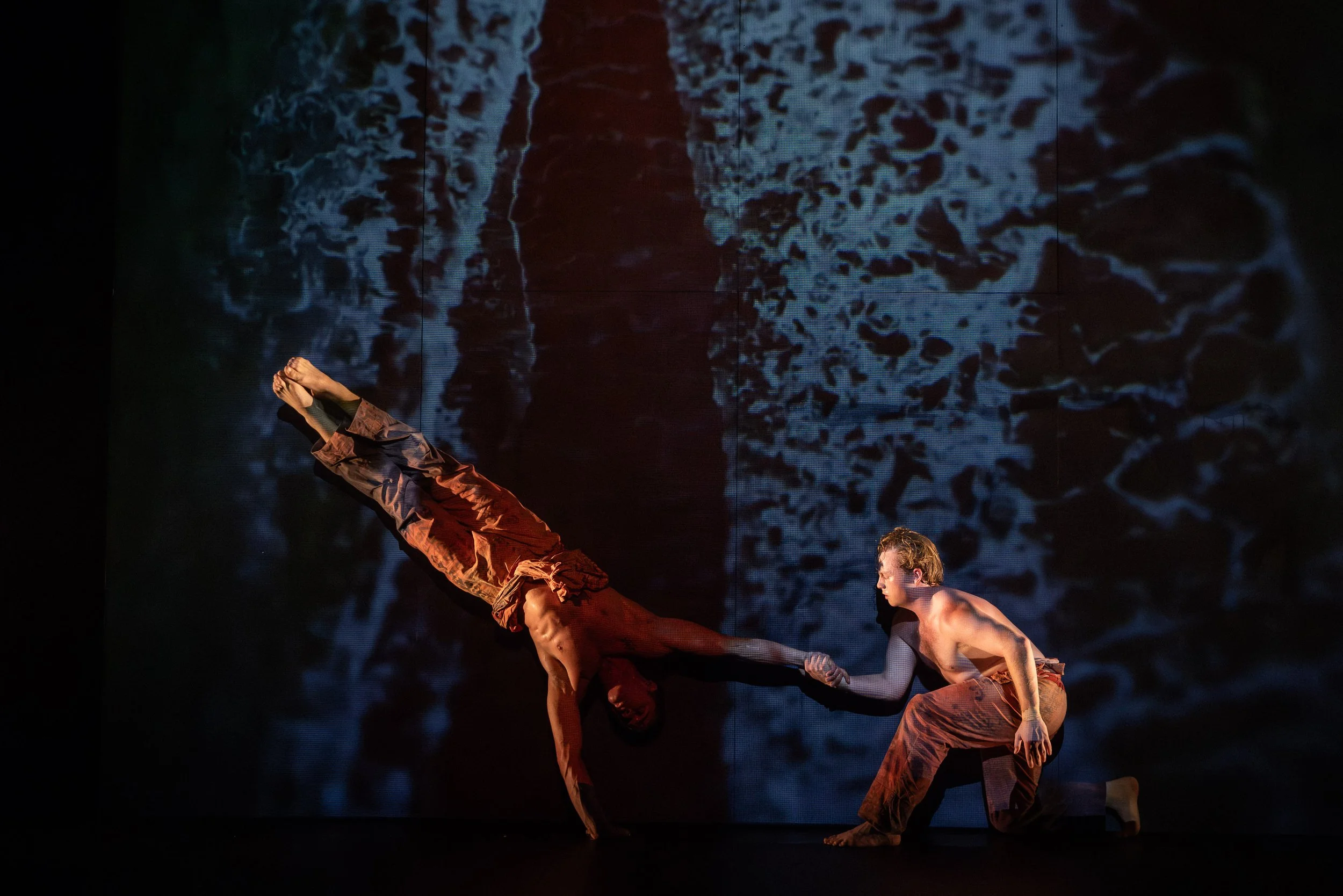
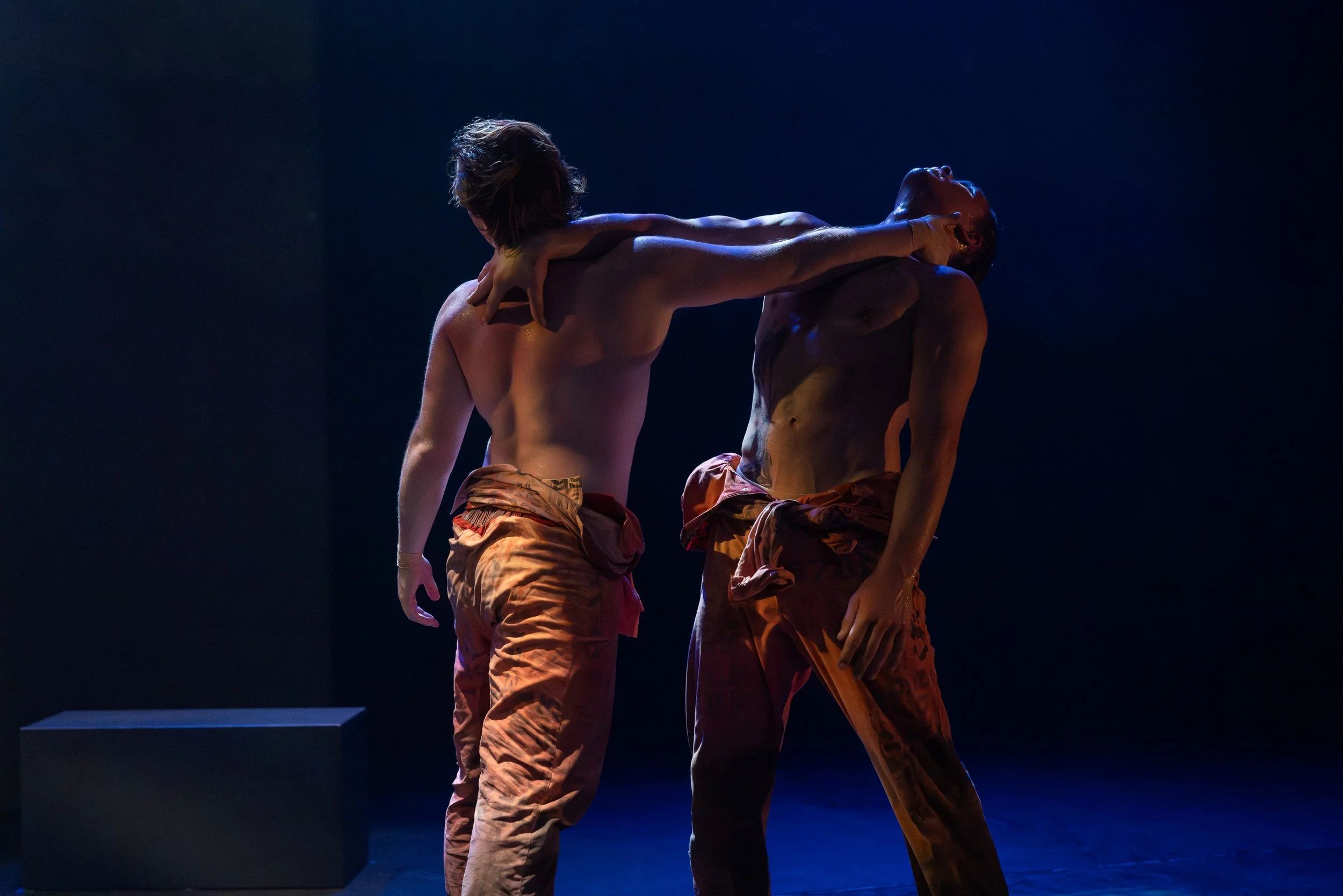
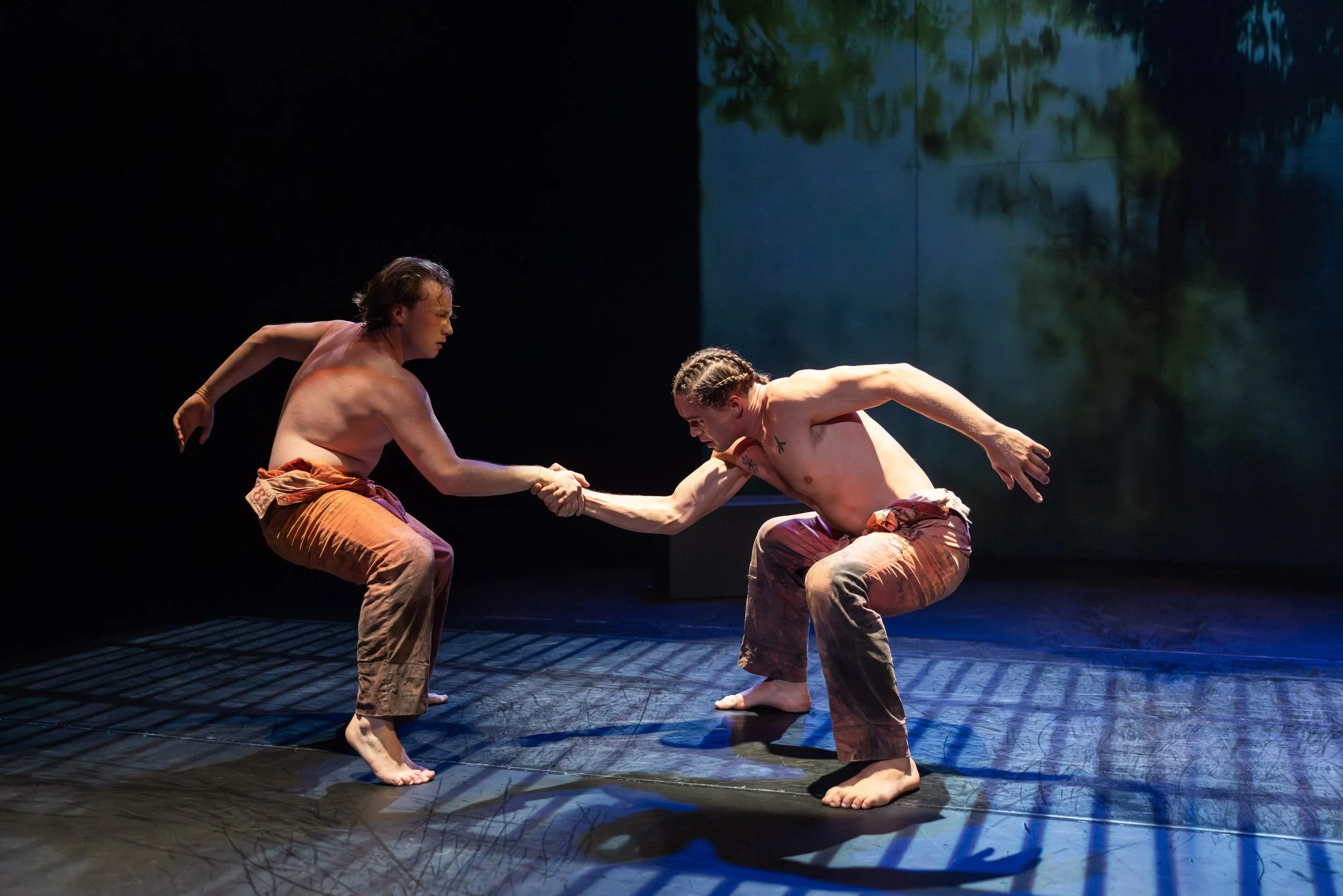
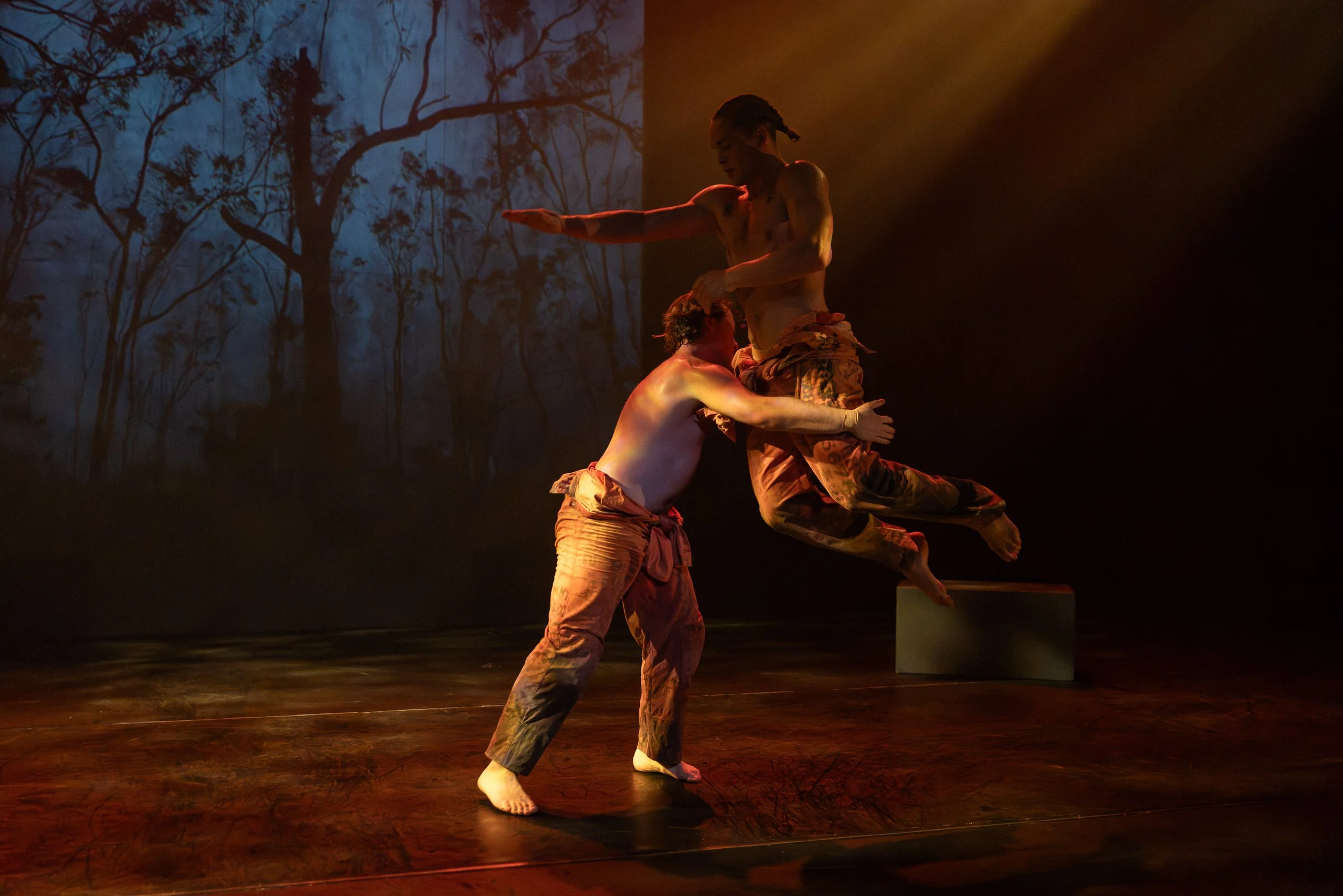
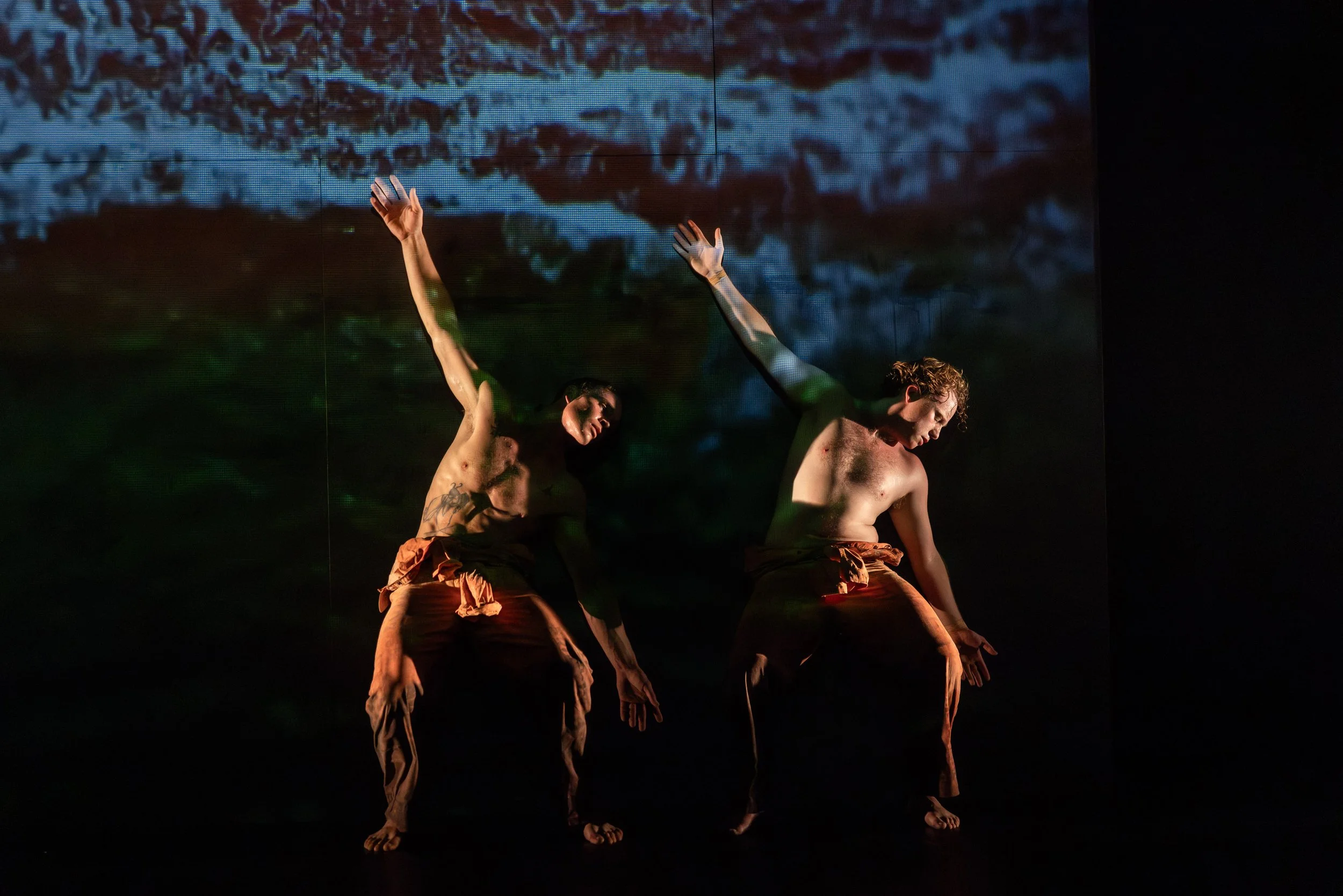
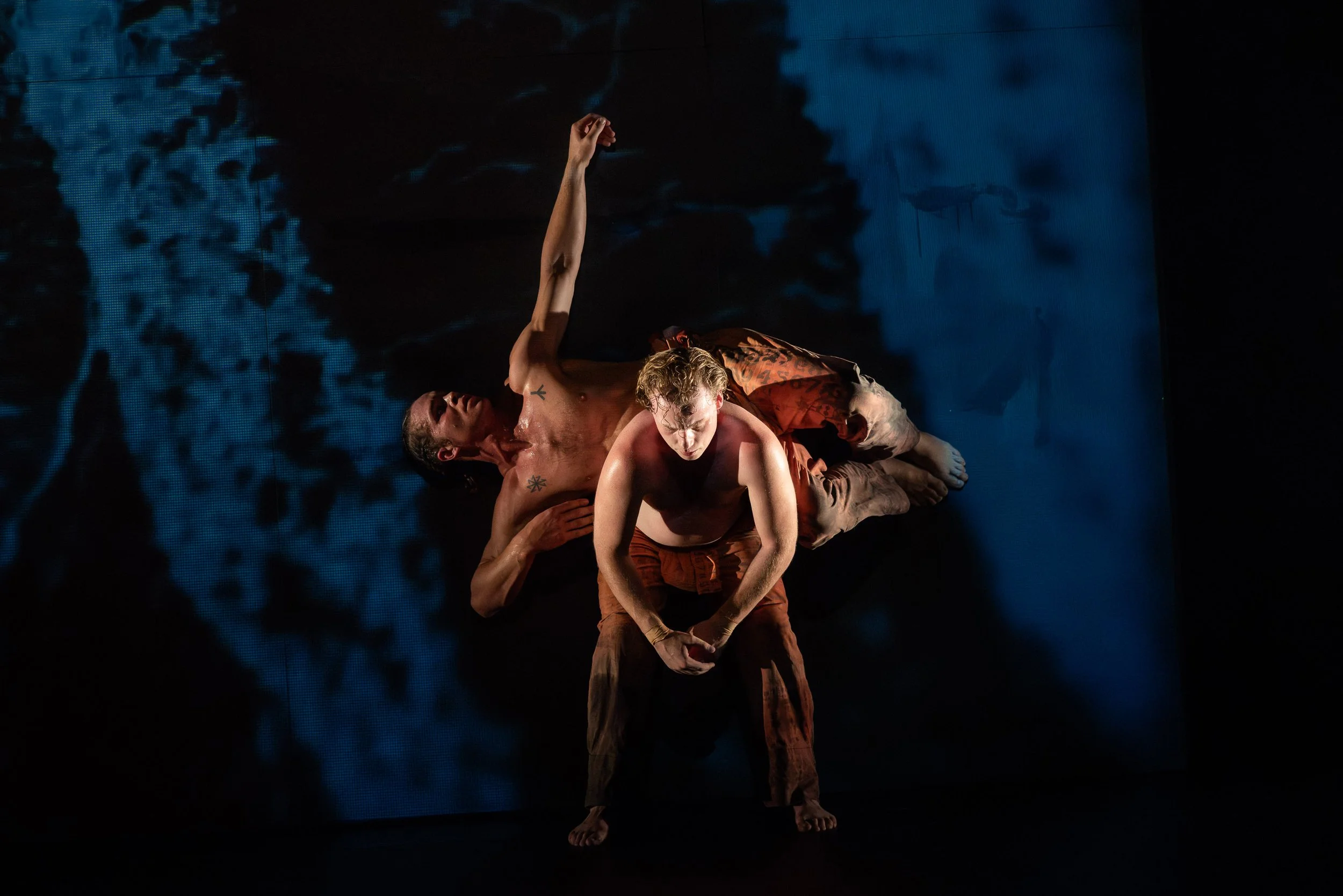
Created by acclaimed Larrakia choreographer Gary Lang, the work is grounded in the lived realities of the Stolen Generations and explores identity, memory, loss, survival and connection to Country through contemporary dance. Like much contemporary First Nations performance, the work understands the body as a site of memory, resistance and survival. The movement language carries the ongoing realities of colonisation, not as historical abstraction, but as lived experience held across generations.
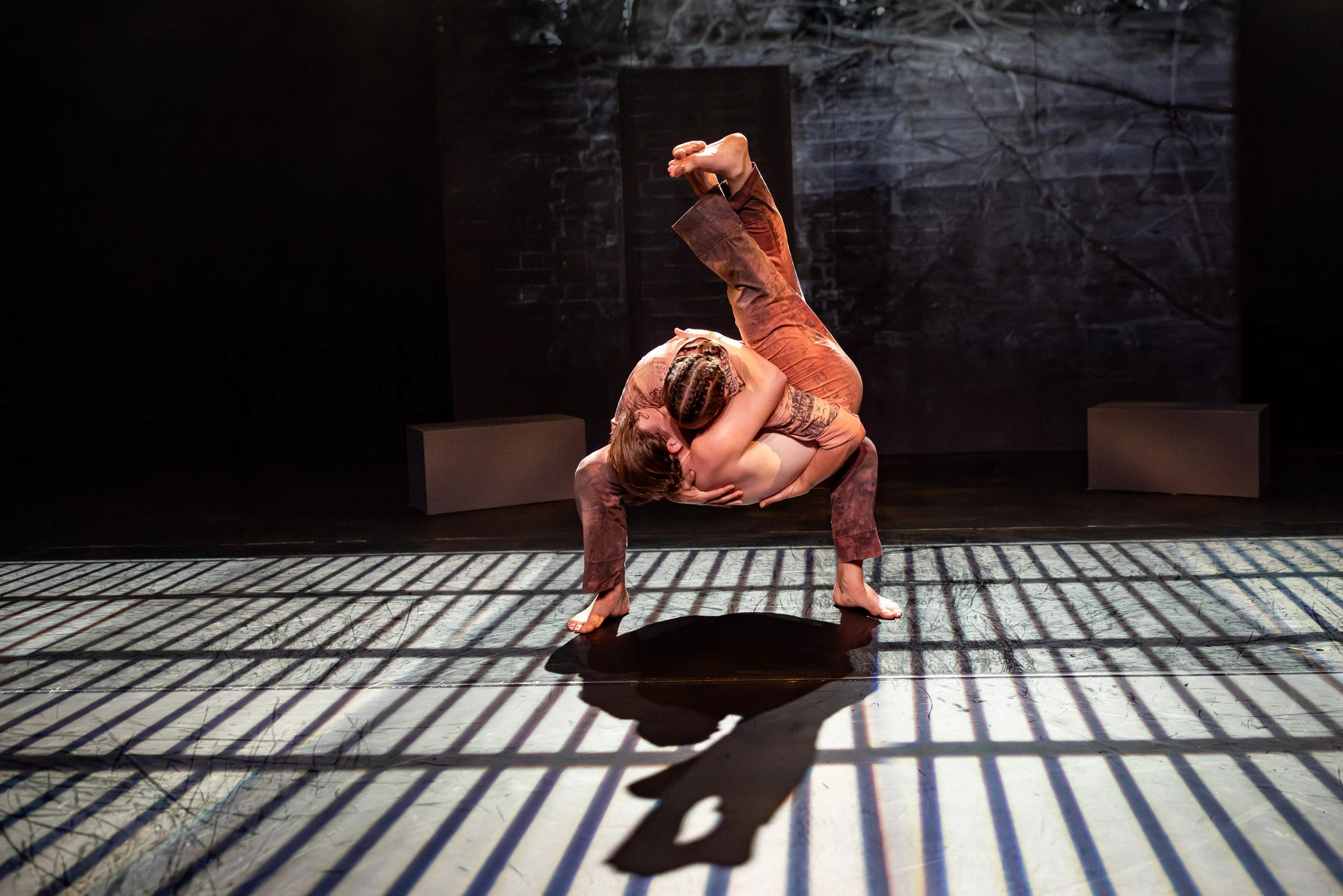
Gary Lang’s choreographic language draws on a highly sculptural and refined physicality that at times echoes classical and contemporary European aesthetics. Within the Australian context, his work exists within a uniquely Indigenous choreographic lineage, sometimes referred to as ‘long grass ballet’, a creolised movement language emerging from Aboriginal survival within and against colonial systems.
As an Indigenous choreographer working within a nation shaped by British colonisation, Gary’s reclamation of classical aesthetics becomes deeply political. Ballet and Western theatre forms historically excluded Indigenous bodies or framed them through colonial spectacle. In reshaping these forms through Aboriginal embodiment, ceremony, gesture and lived experience, Gary reclaims space, authorship and visibility for Indigenous contemporary expression.
The work emerged through deeply personal conversations with family and community connected to the Stolen Generations, incarceration, intergenerational trauma, identity and survival. At the centre of the creative process sits the understanding that one of the greatest violences enacted through colonisation was not simply institutionalisation, but the forced removal of identity, language, family and connection to Country.
Rather than presenting a didactic explanation of the Stolen Generations, The Other Side of Me unfolds through emotional landscapes, fragmented memory, gesture and atmosphere. The work operates through both disclosed and undisclosed knowledge, inviting audiences not into a history lesson, but into a journey of emotional signposts, reflection and embodied understanding.
Long silences, restrained physicality and moments of intimate proximity draw audiences into states of collective witnessing rather than passive observation. Across the national tour, audiences have often remained in stillness before applause, holding the emotional and cultural weight of the work together in the room.
Music, projection and movement operate as deeply interconnected cultural elements. Collaborators travelled on Country to Yirrkala during development, working alongside Elders and cultural authorities to ensure the work remained grounded in cultural protocol, lived experience and community connection.
Bringing stories from community and Country to world stages
Developed over six years across Australia and the UK, the work premiered at Darwin Festival in 2023 before touring nationally across Western Australia, the Northern Territory and Australia’s East Coast. Now taking the work to the UK represents something much larger within the history of contemporary First Nations dance in Australia. For many of the artists, Elders and cultural leaders involved, this moment is the culmination of decades of work to create pathways where none previously existed.
BlakDance was established following the 2005 Creating Pathways National Indigenous Dance Forum, where First Nations artists, including Gary Lang, gathered to address the structural barriers facing Indigenous dance artists nationally: geographic isolation, lack of touring infrastructure, limited presenter access, inadequate understanding of First Nations cultural and choreographic practices within the broader dance sector, and the absence of long term investment pathways grounded in Indigenous cultural authority and Indigenous Cultural and Intellectual Property (ICIP) principles.
Two decades later, The Other Side of Me touring internationally stands as a powerful reflection of that original mandate being realised.
As a community-controlled First Nations organisation, BlakDance has worked alongside Gary Lang NT Dance Company over many years to help create the structural conditions that make national and international touring possible. This has included producing, touring, presenter advocacy, market development, strategic planning, international relationship building and long term investment in the work and the company.
International touring for independent First Nations dance artists remains extraordinarily difficult. It requires years of relationship building, infrastructure, advocacy and sustained cultural labour – much of which is often invisible to audiences.
From ISPA Perth to Tanzmesse Düsseldorf, from on Country redevelopment in Yirrkala to the stages of the Sydney Opera House and now the United Kingdom, this journey reflects what can happen when First Nations artists and community controlled organisations are supported to lead their own stories internationally.
This week, The Other Side of Me arrives in the United Kingdom for its international premiere as part of RISE Festival in Scotland – a major international gathering of global Indigenous creativity. Led by Dance North Scotland in partnership with BlakDance and international collaborators, RISE 2026 brings together Indigenous artists, Elders, choreographers, knowledge holders and communities from across the world through performance, workshops, gatherings and ceremony grounded in cultural respect, reciprocity, environmental consciousness and care.
This international program builds on BlakDance’s market development at Tanzmesse Düsseldorf 2024, where the organisation convened the First Nations Dialogues and introduced a number of First Nations works to international presenters, festivals and partners. These relationships directly led to invitations to RISE Festival in Scotland and have continued through ongoing exchange, residency activity and long-term relationship building across the UK and Europe.
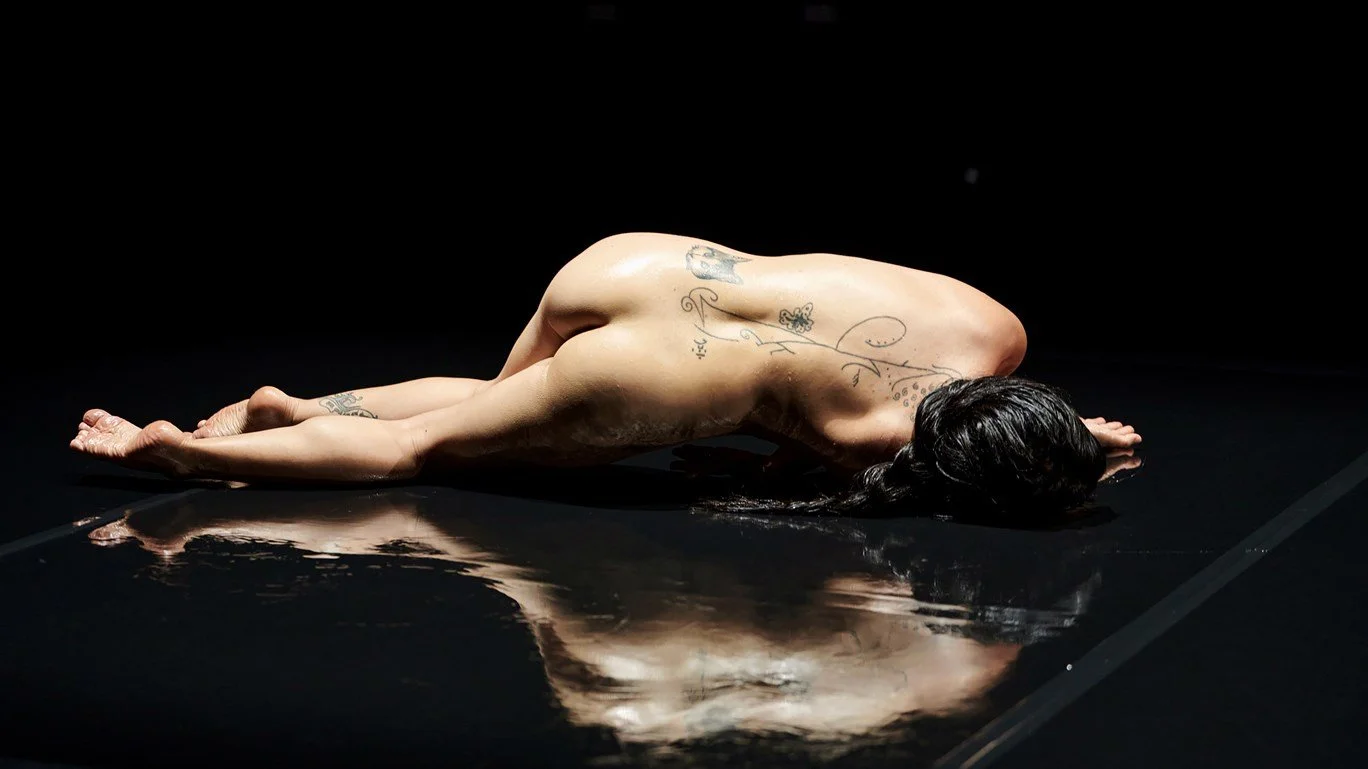
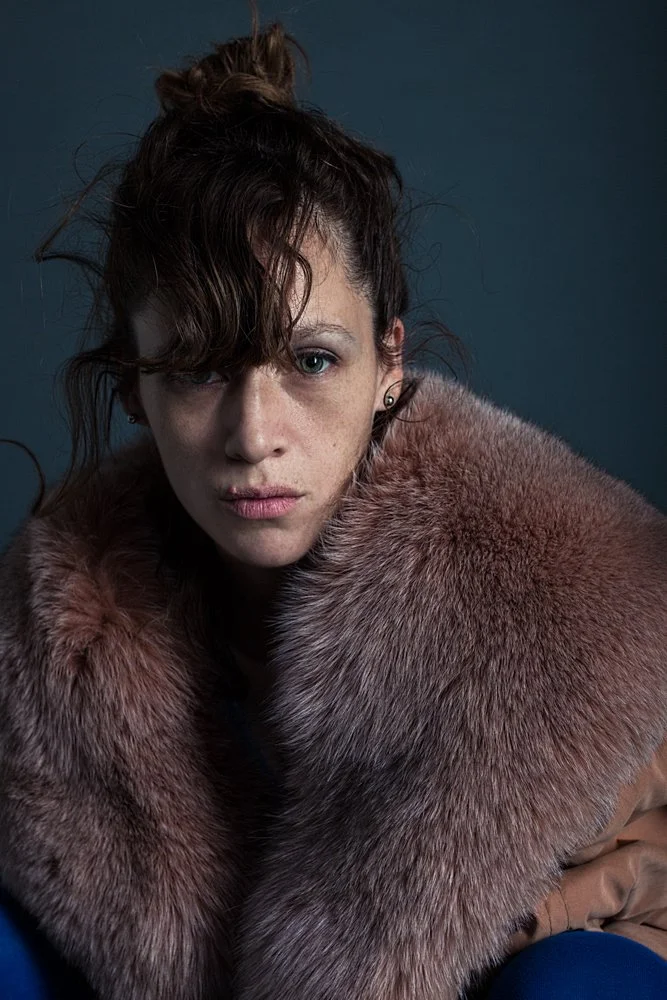
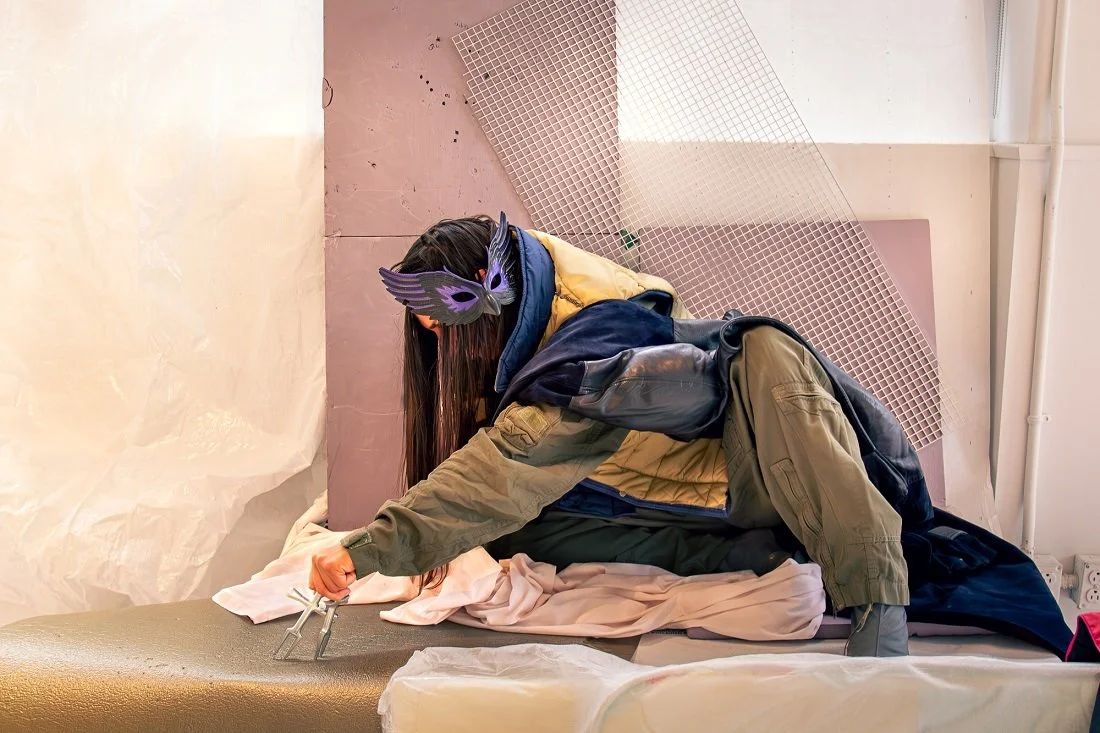
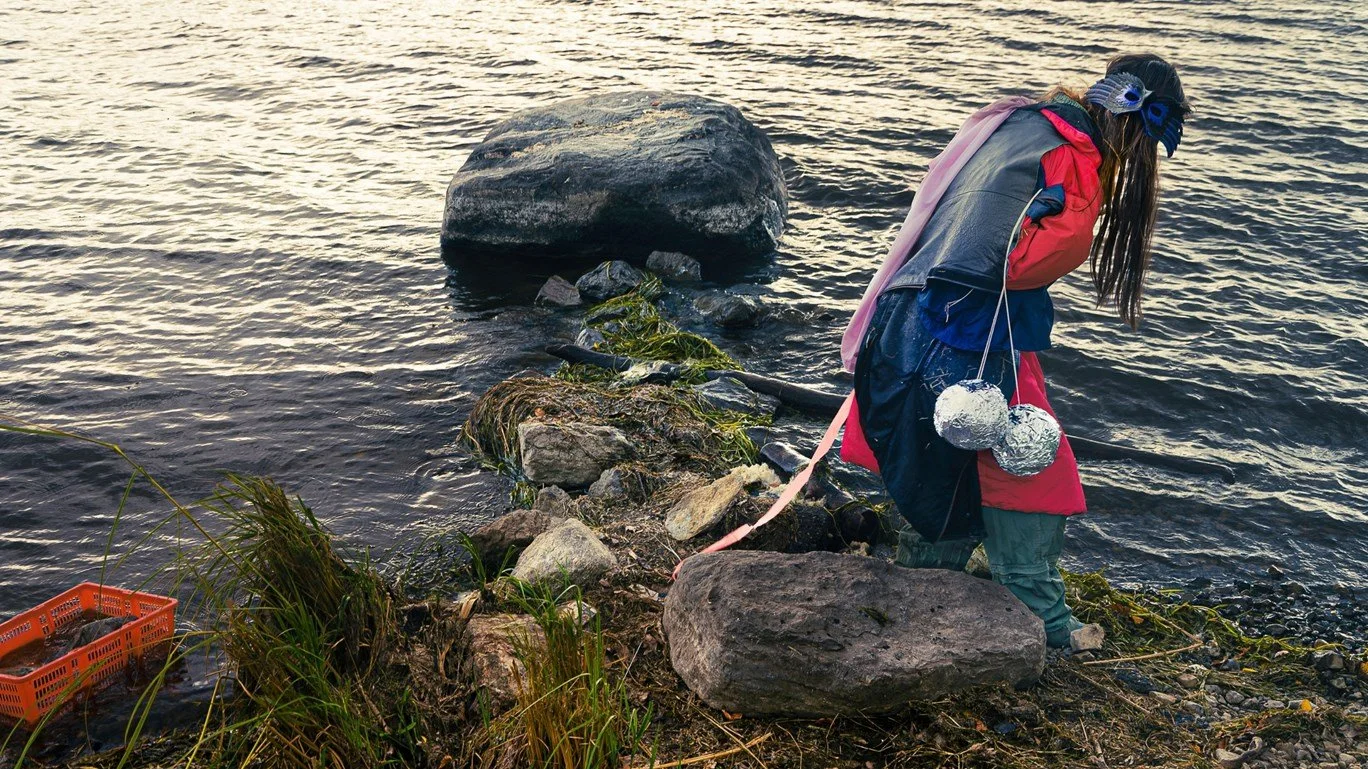
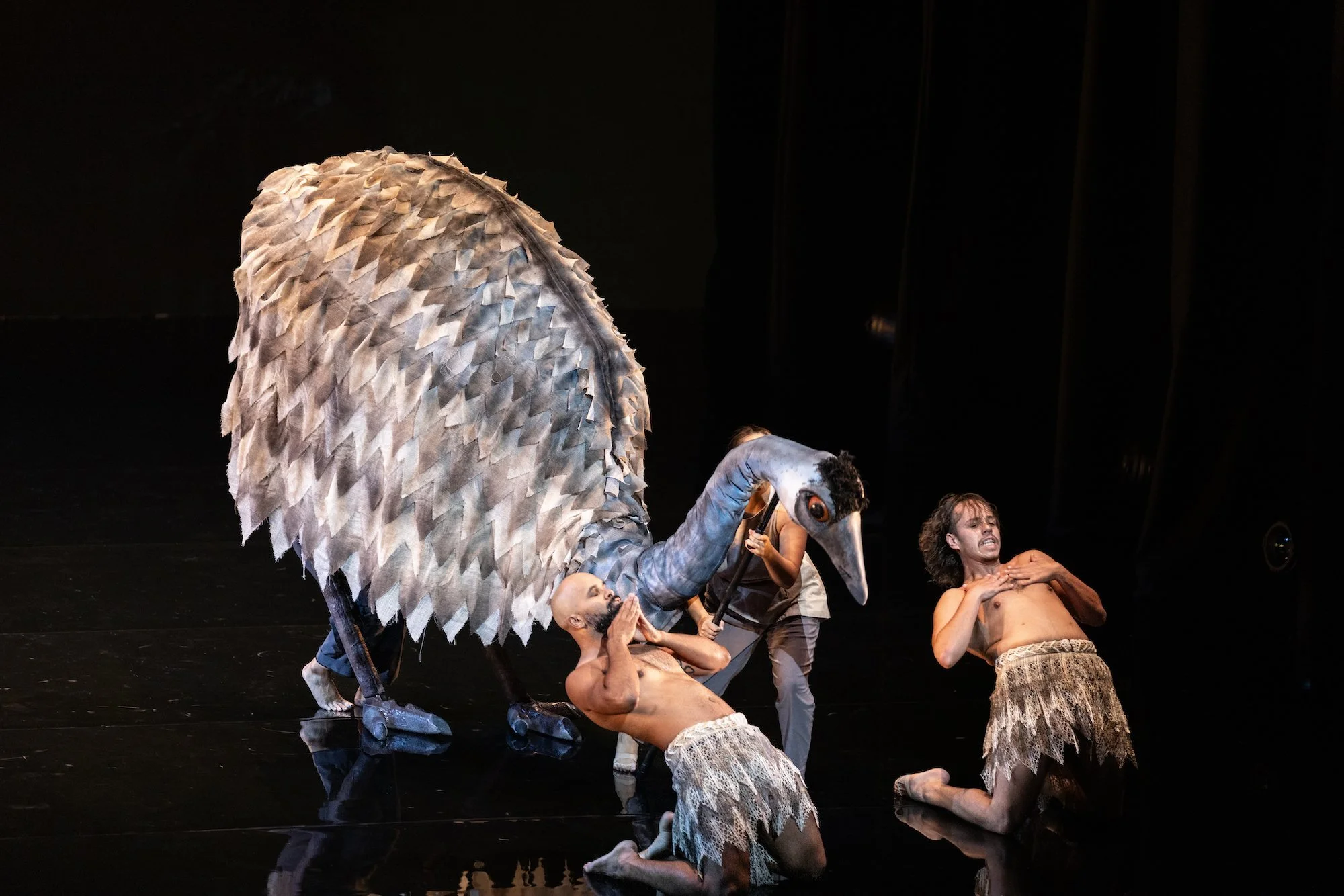
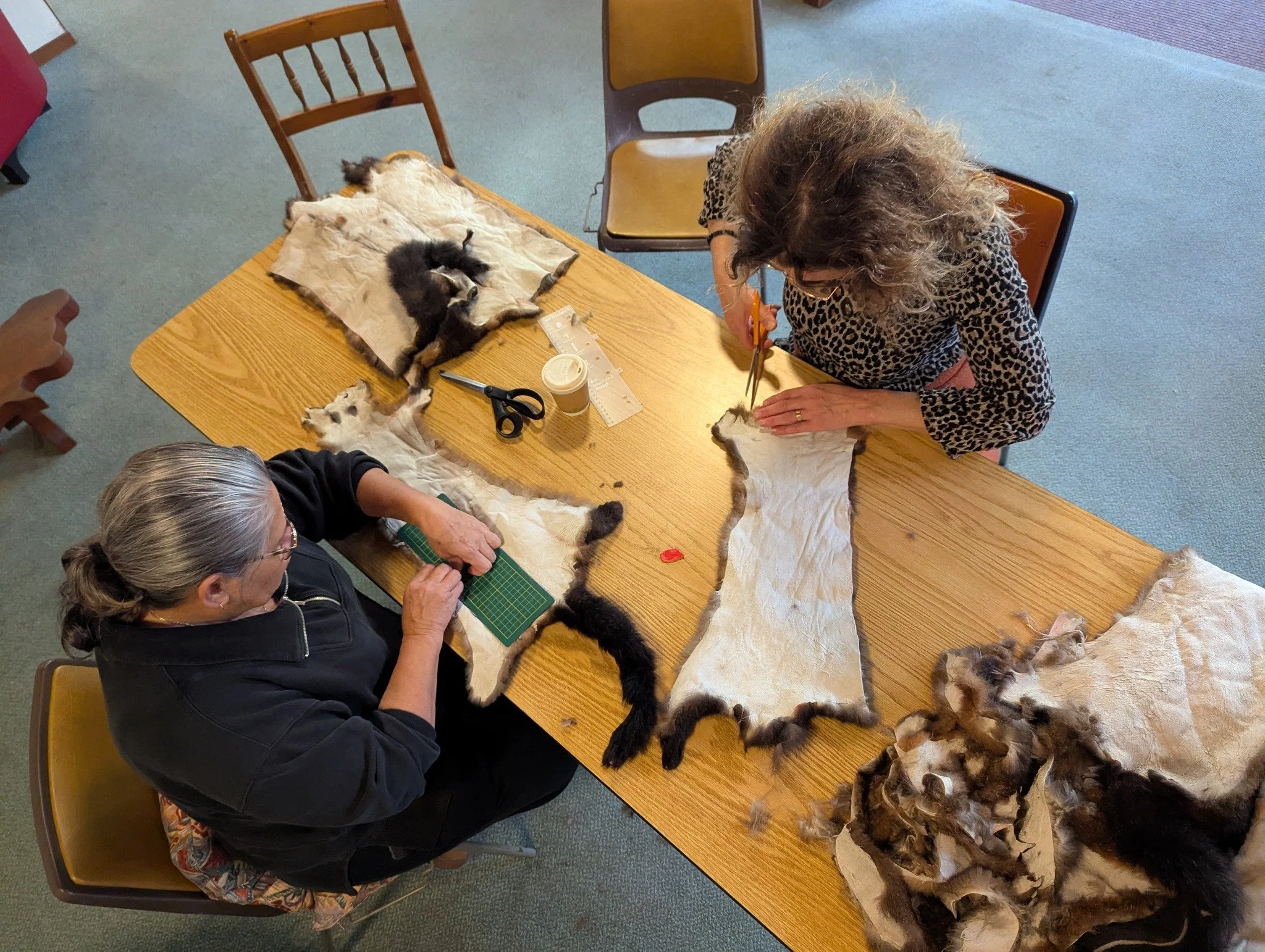
RISE 2026 includes performances by leading Indigenous contemporary artists including First Nations Canadian choreographers Daina Ashbee and Lara Kramer, Māori artist Paige Shand Haami from Aotearoa New Zealand, Narungga artist Jacob Boehme and Larrakia choreographer Gary Lang. Alongside The Other Side of Me, BlakDance has also supported the international presentation of GUURANDA X RISE by Narungga artist Jacob Boehme, produced with Pippa Bailey. Together, these artists, Elders and cultural leaders create spaces for Indigenous contemporary practice, ceremony, dialogue and exchange across lands, histories and cultures.
The festival’s talks, workshops and cultural gatherings are also shaped by Kanien’keha:ka cultural leader Barbara Diabo from Kahnawake on Turtle Island, and Colombian Indigenous decolonial curator, choreographer and researcher Martha Hincapié Charry. Through gatherings including We Are the Land, Earth Bodies and Dance North Conversations, artists and audiences are invited into shared spaces of listening, movement, ceremony, ecological reflection and intercultural exchange.
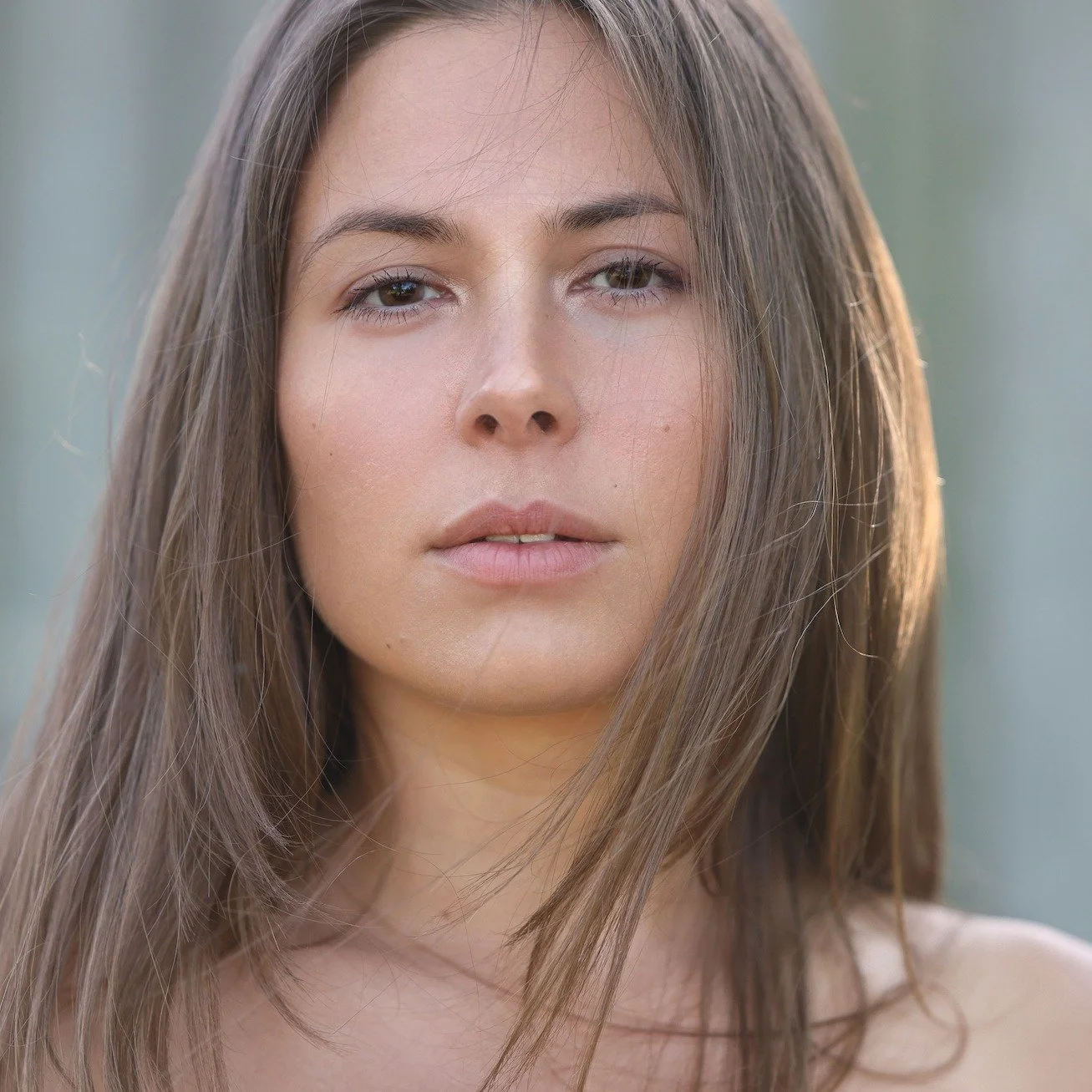
“Festivals such as RISE demonstrate how European curatorial and cultural structures can begin to decolonise their programmes, venues and decision making processes by integrating Indigenous and BIPoC perspectives, knowledge systems and ontologies in ways that challenge the dominance of the white gaze within cultural institutions,” Martha Hincapié Charry says.
Martha Hincapié Charry goes on to say:
“If decolonisation is to be more than a performative statement, and to genuinely address the layers of power that continue to shape how racialised bodies are represented, programmed and spoken for, then Indigenous and BIPoC artists, curators and cultural leaders must be included within the decision making itself.
Never about us without us.
I also want to acknowledge Karl Jay Lewin and Dance North Scotland for openly recognising the importance of creating space for Indigenous and BIPoC leadership within RISE, and for engaging in this work with openness, humility and care.”

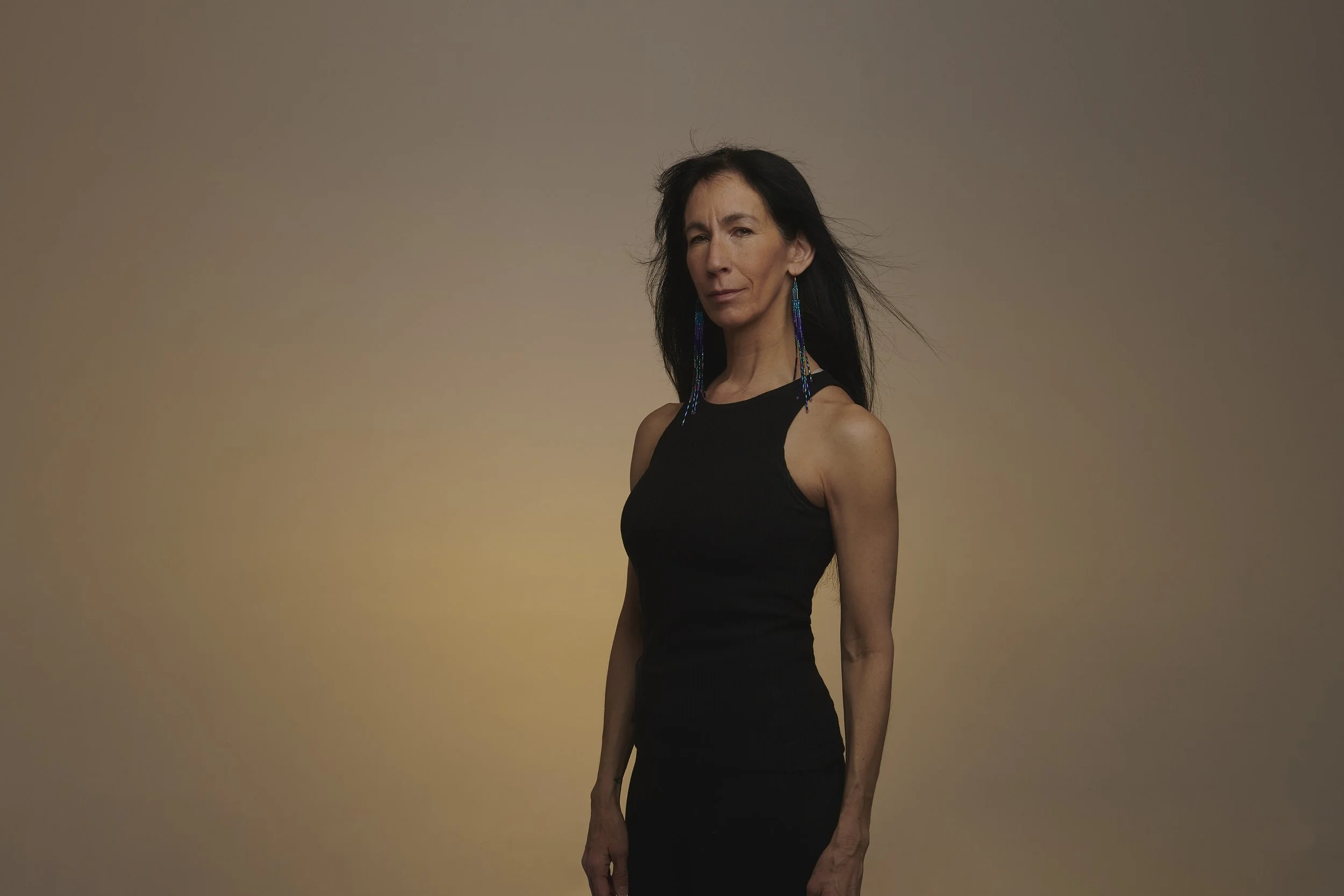

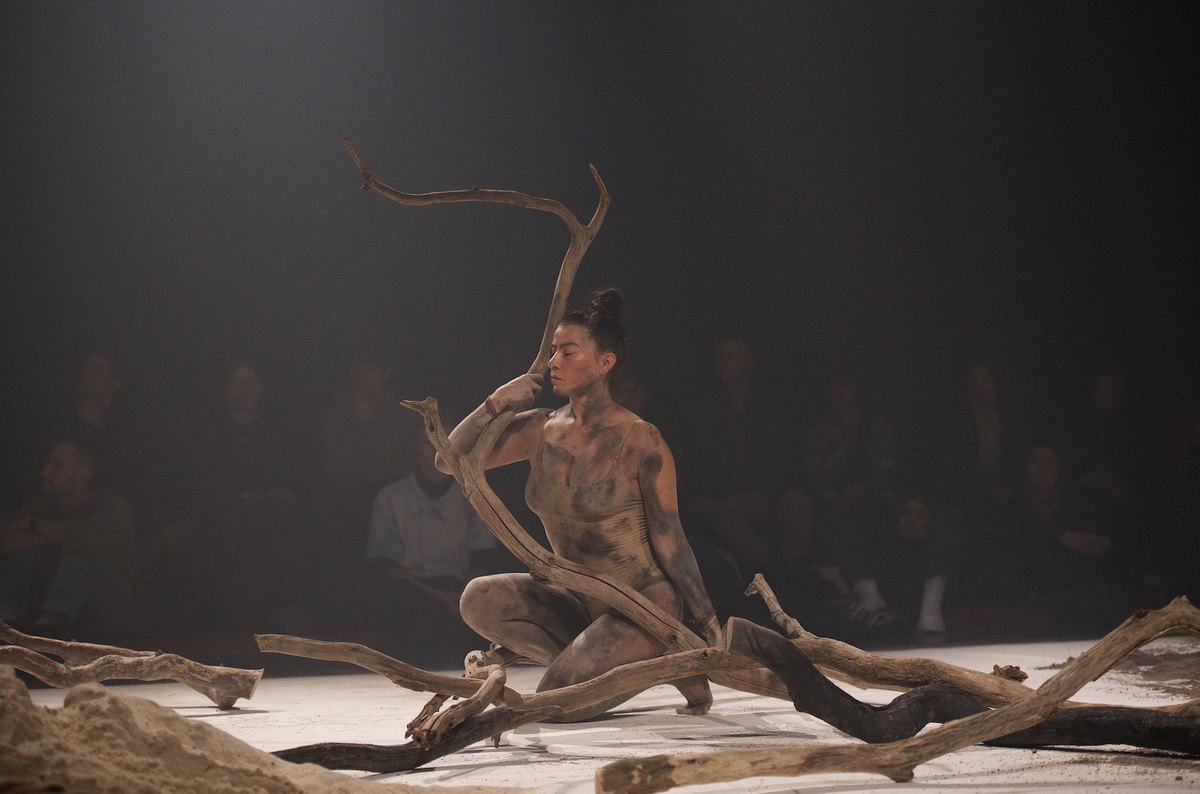
At a time when global conversations around truth- telling, repatriation and colonial histories continue to deepen, The Other Side of Me carries these stories into the historical centre of empire, asking what responsibility follows when these truths are witnessed internationally. For audiences across the UK and Europe, the work invites reflection not only on Australia’s colonial histories, but on broader global questions of displacement, assimilation, invisibility and cultural survival that continue to shape many Indigenous and marginalised communities internationally.
The Other Side of Me is not only a performance, but an act of contemporary ceremony through dance – one of the oldest ways First Nations peoples carry culture, knowledge and memory across generations. The work does not seek to induce guilt. It asks for understanding, reflection, responsibility and care. And really, that is exactly what National Sorry Day is about.
Credits:
Images (in order of appearance):
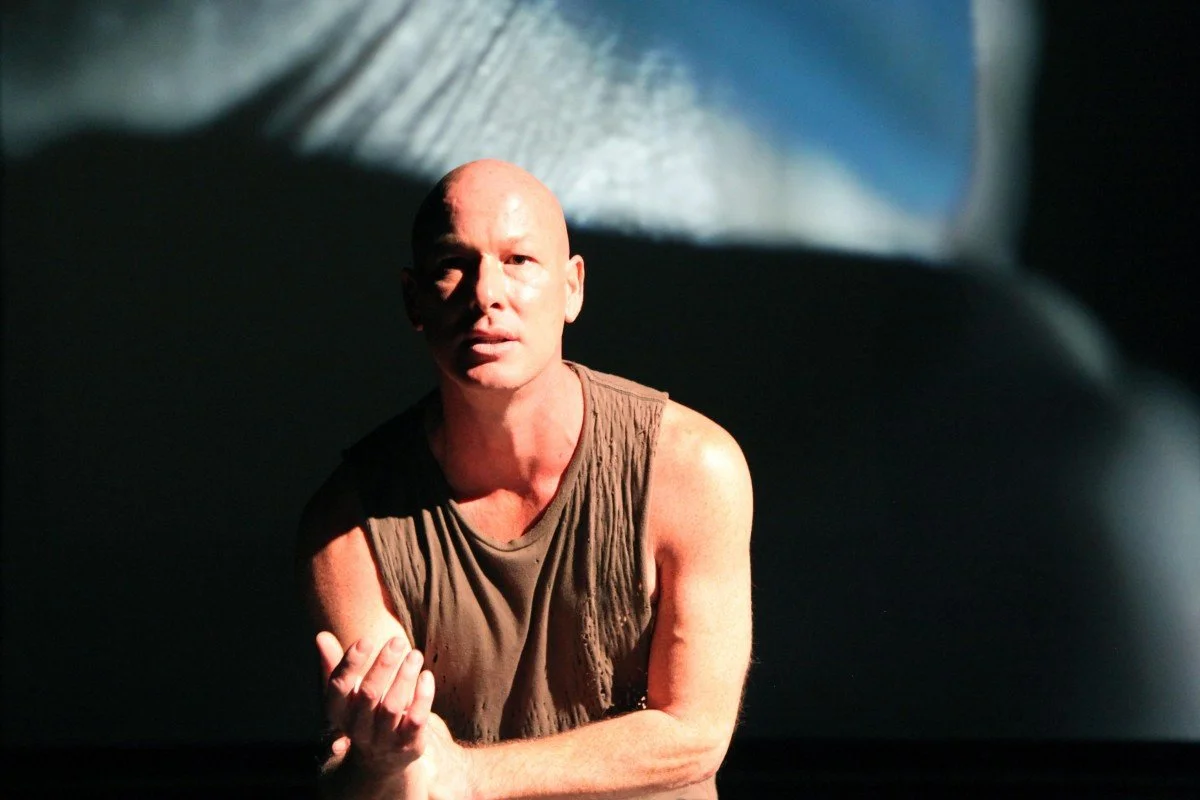
Images 1–7 (first gallery): The Other Side of Me by Gary Lang NT Dance Company at the Sydney Opera House. Pictured: Blake Escott (Dhunghutti, Worimi) and Alexander Abbot. Credit: Daniel Boud.
Image 8: Daina Ashbee (Métis, Cree and Dutch descent).
Image 9: Daina Ashbee. Photo: Arnaud Caravielhe.
Image 10: Lara Kramer (mixed Oji-cree and settler heritage). Photo: Stefan Petersen.
Images 11 and 12: Gorgeous Tongue by Lara Kramer.
Image 13: Paige Shand Haami (Māori descent Te Āti Haunui-a-Pāpārangi).
Image 14: Jacob Boehme (Narungga/Kaurna).
Image 15: Guuranda at Adelaide Festival in 2024. Photo: Tim Standing.
Image 16: GUURANDA x RISE Community Cloak Making Workshops with Narungga Elder Aunty Lynette Newchurch.
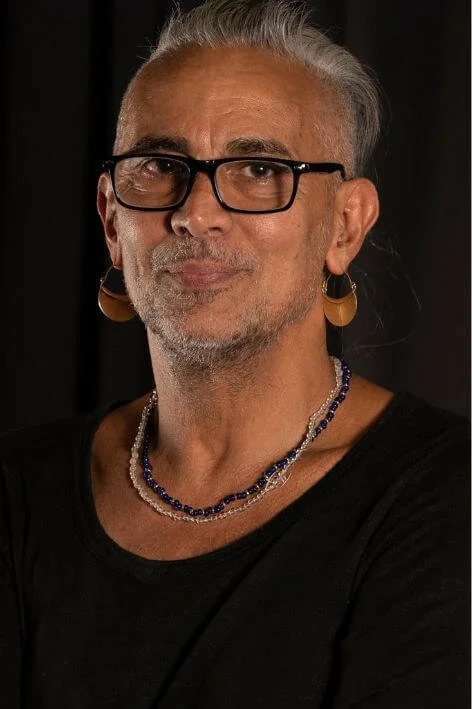
Image 17: Gary Lang (Larrakia).
Image 18: Barbara K Diabo (Kanien’keha:ka (Mohawk) nation of Kahnawake on Turtle Island). Photo: Damian Siqueiros.
Image 19: Earth Bodies Workshop with Martha Hincapié Charry (Colombian Quimbaya lineage).
Image 20: HECATOMB III, Martha Hincapié Charry. Photo: Dieter Hartwig.