
How Jacob Boehme’s GUURANDA X transforms touring into cultural exchange
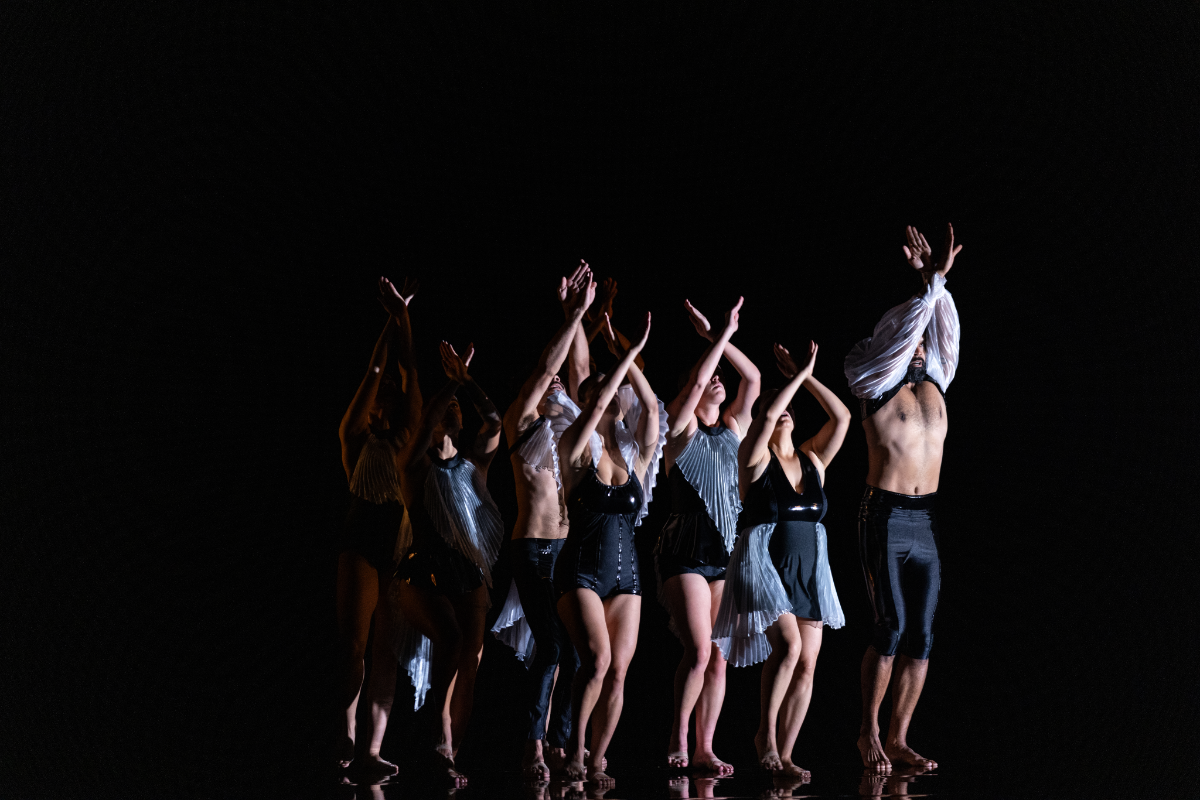
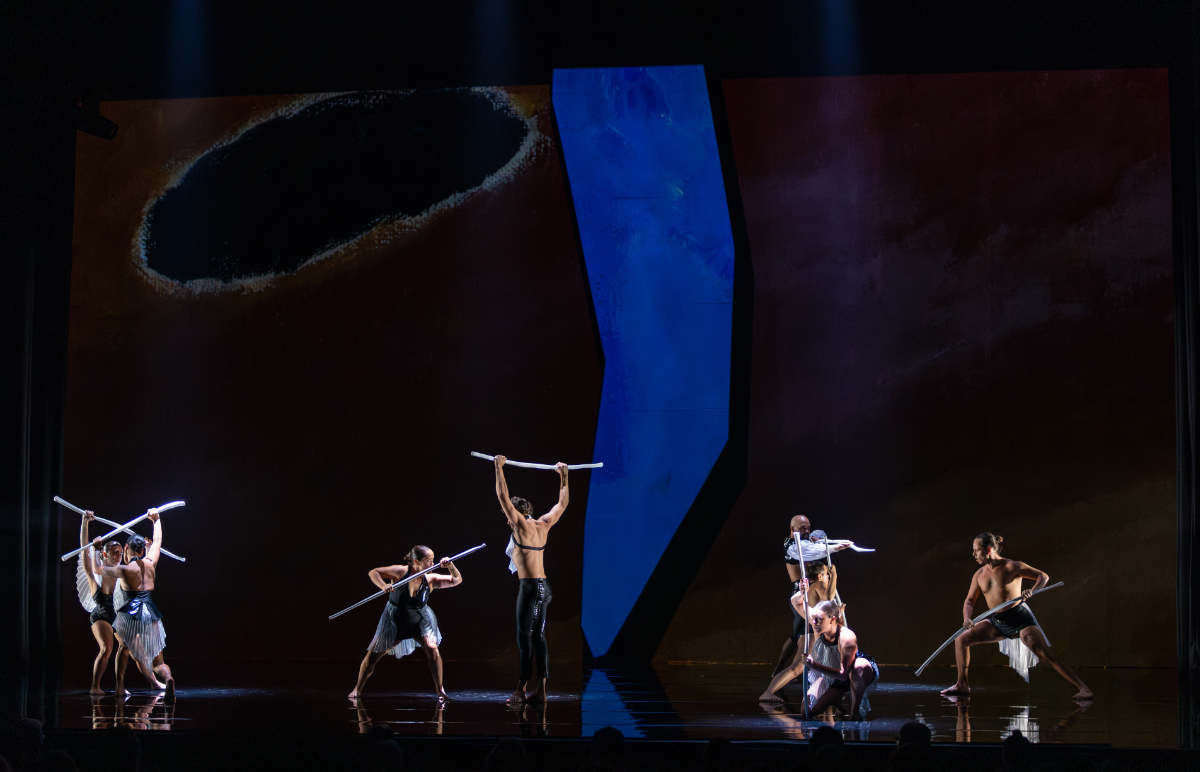
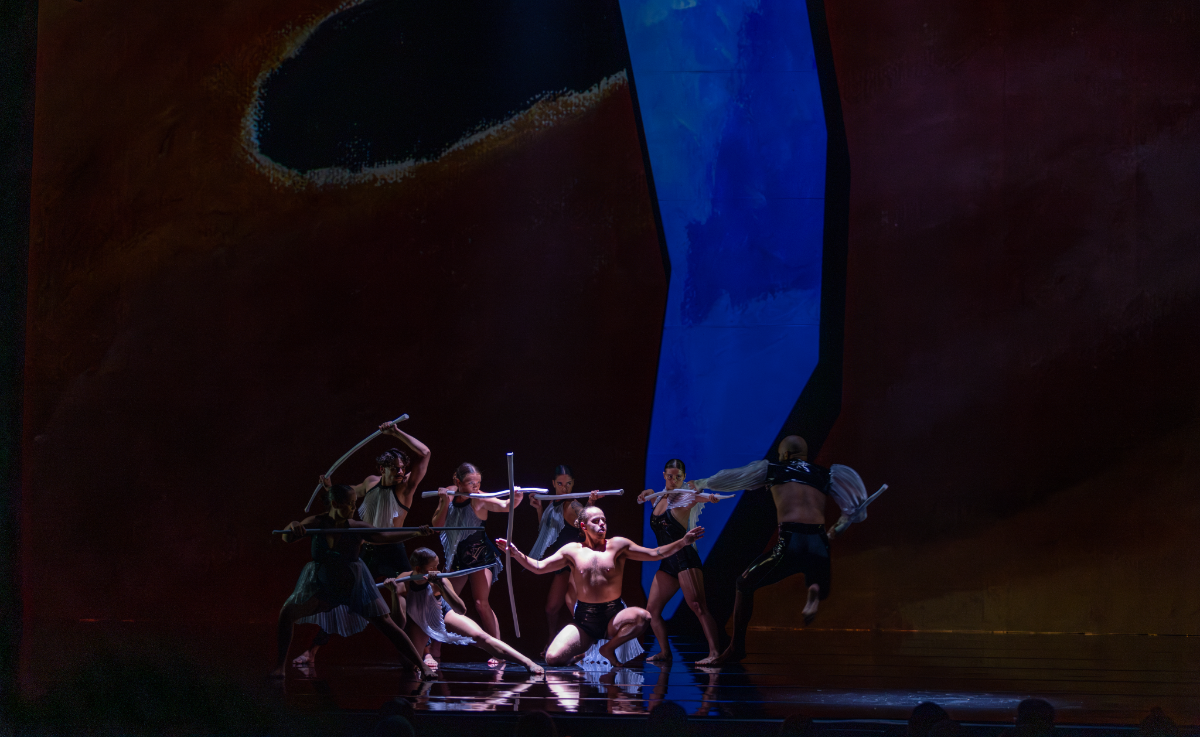
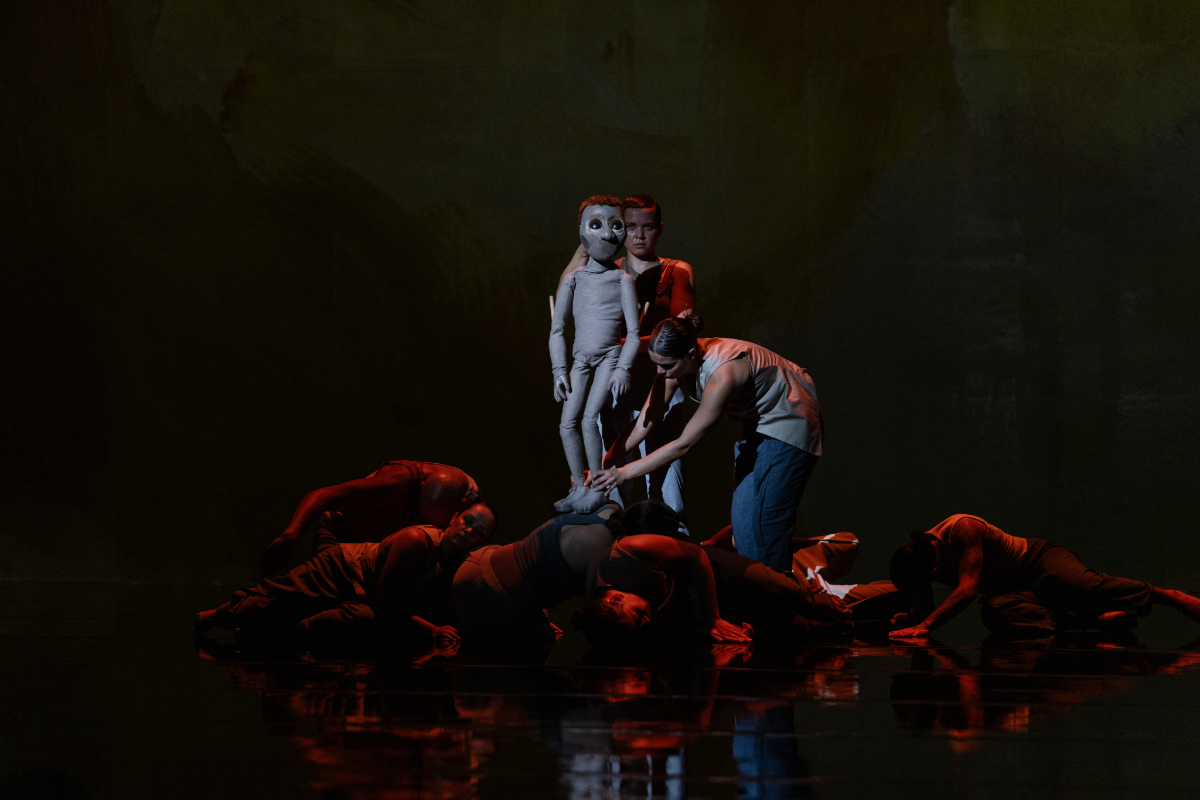
GUURANDA is a Narungga-led contemporary multidisciplinary performance work grounded in song, movement, ceremony and relationship to Country. Originally commissioned by Adelaide Festival 2024, the work is conceived by Narungga and Kaurna artist Jacob Boehme in collaboration with his Narungga Elders, family and community. Through dance, puppetry, visual theatre and Narungga language, the work shares Creation stories and living cultural systems carried across generations.
But GUURANDA was never only about performance. It was about cultural continuity, language revival and ensuring Narungga stories could continue travelling across communities and increasingly, across international borders. Through GUURANDA X, the work is now evolving again.
This next phase transforms the original theatre production into a living model of ecological touring, cultural exchange and community gathering. Rather than fixed staging and transactional touring models, each iteration responds to the place in which it is shared. Local landscapes, languages and communities actively shape the experience itself. The work unfolds as gathering rather than spectacle.
This philosophy now sits at the centre of GUURANDA X RISE at RISE Festival 2026 in Findhorn, Scotland, presented by Dance North Scotland in partnership with BlakDance and international collaborators. At RISE, Scottish voices will sing in Narungga language. Community choirs, dancers, textile artists and local participants will collaborate alongside Narungga Elders and artists through an intensive process of listening, exchange and shared making.
GUURANDA X is more than a performance. It is a gathering across lands, languages and histories, where ceremony, story and cultural exchange create a living model for how Indigenous contemporary performance can move through the world with reciprocity, care and accountability to Country and community.
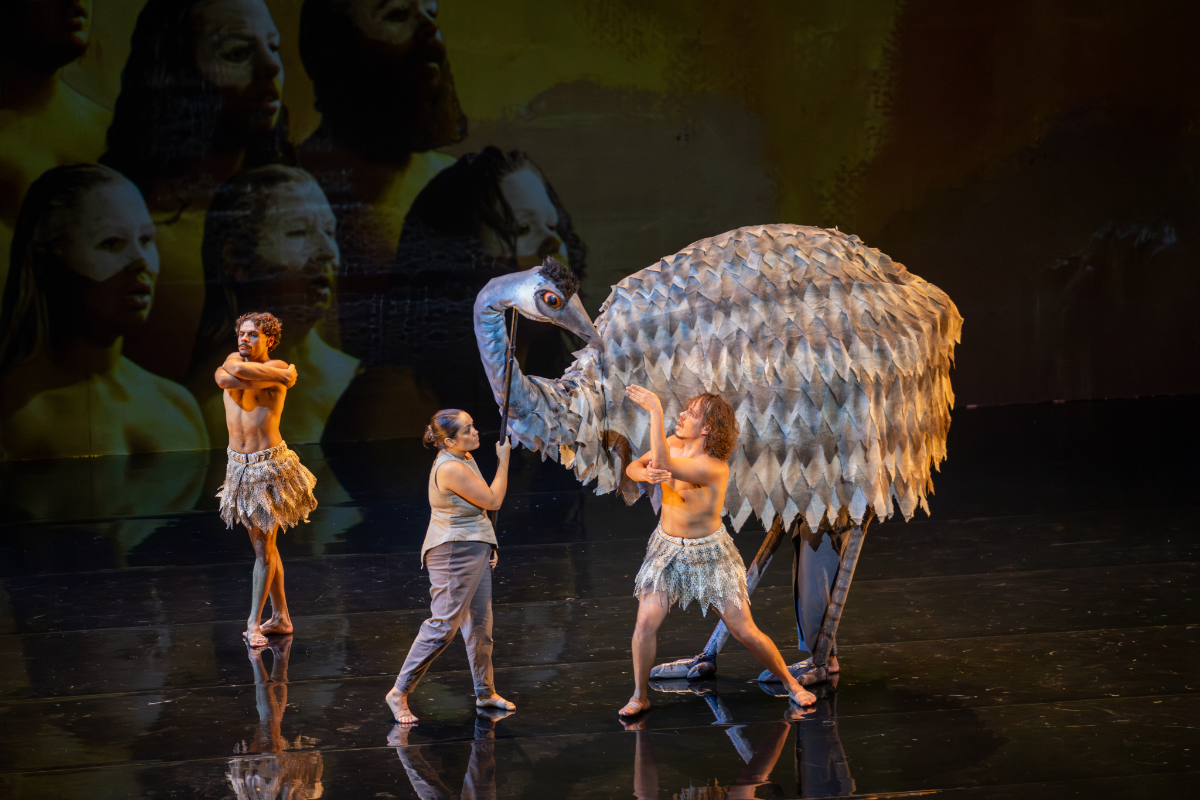
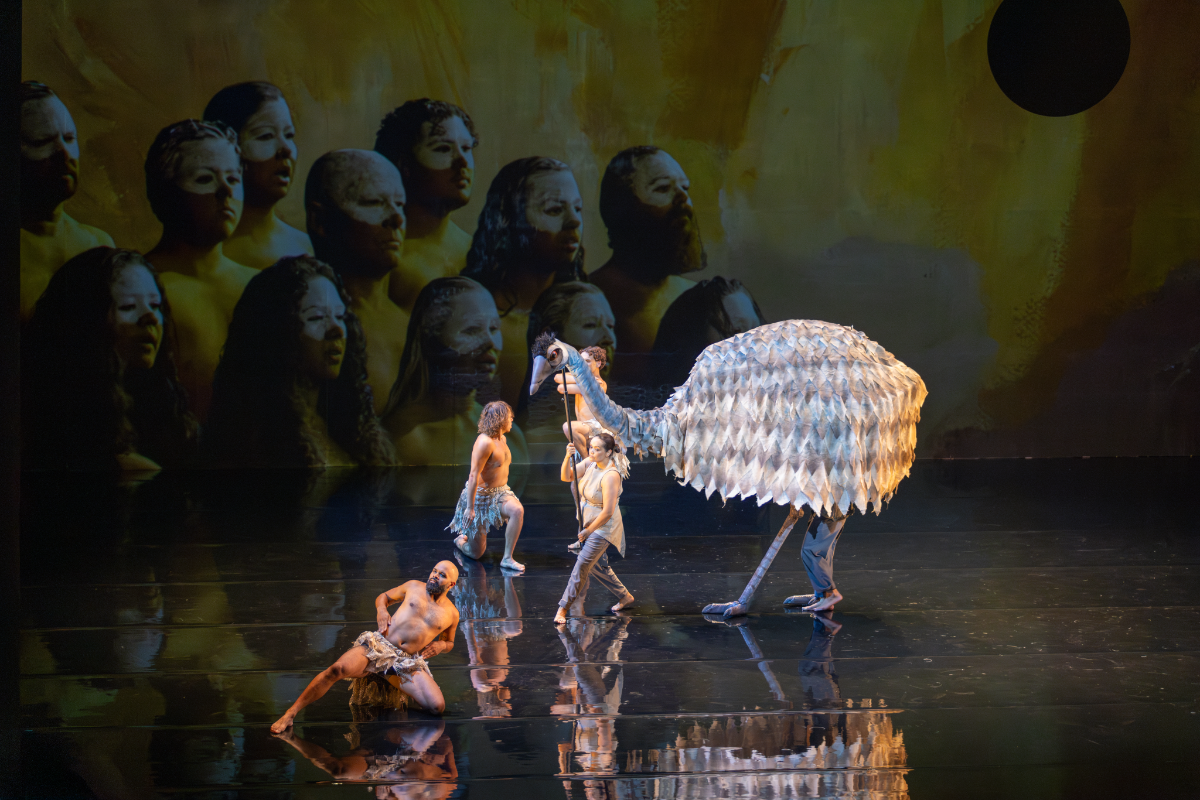
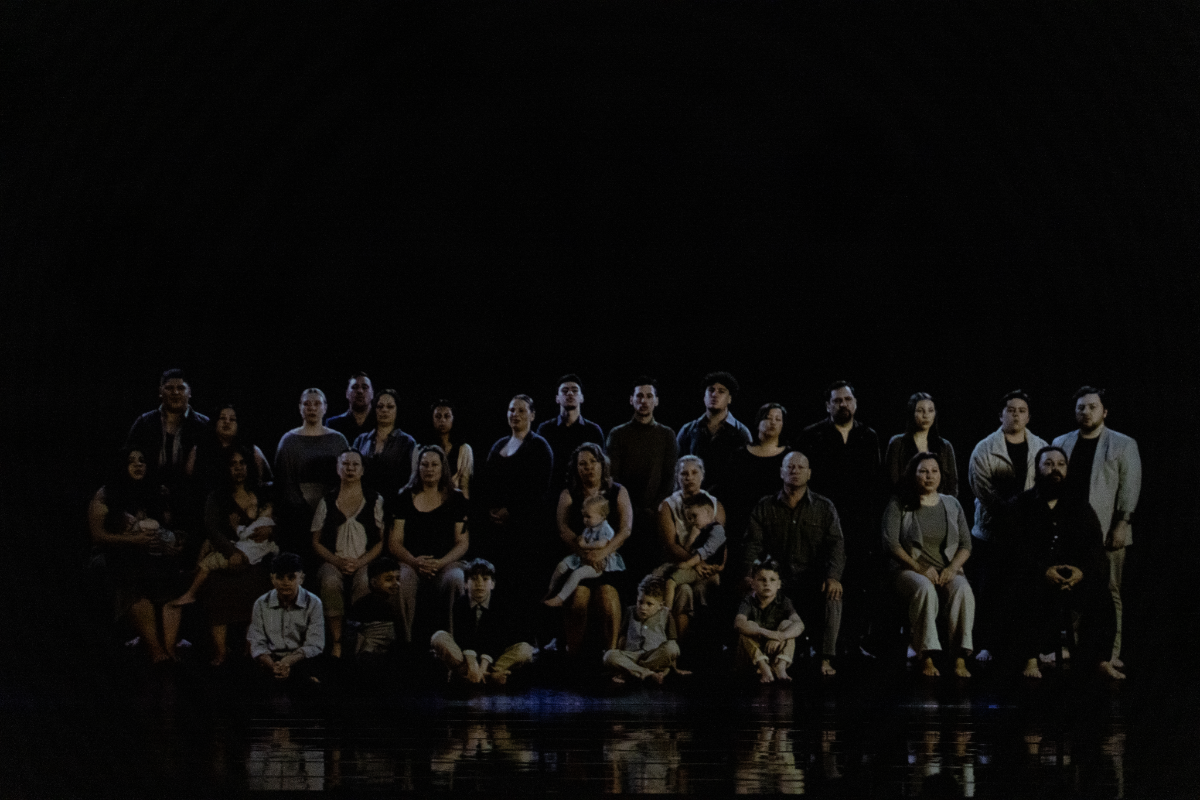
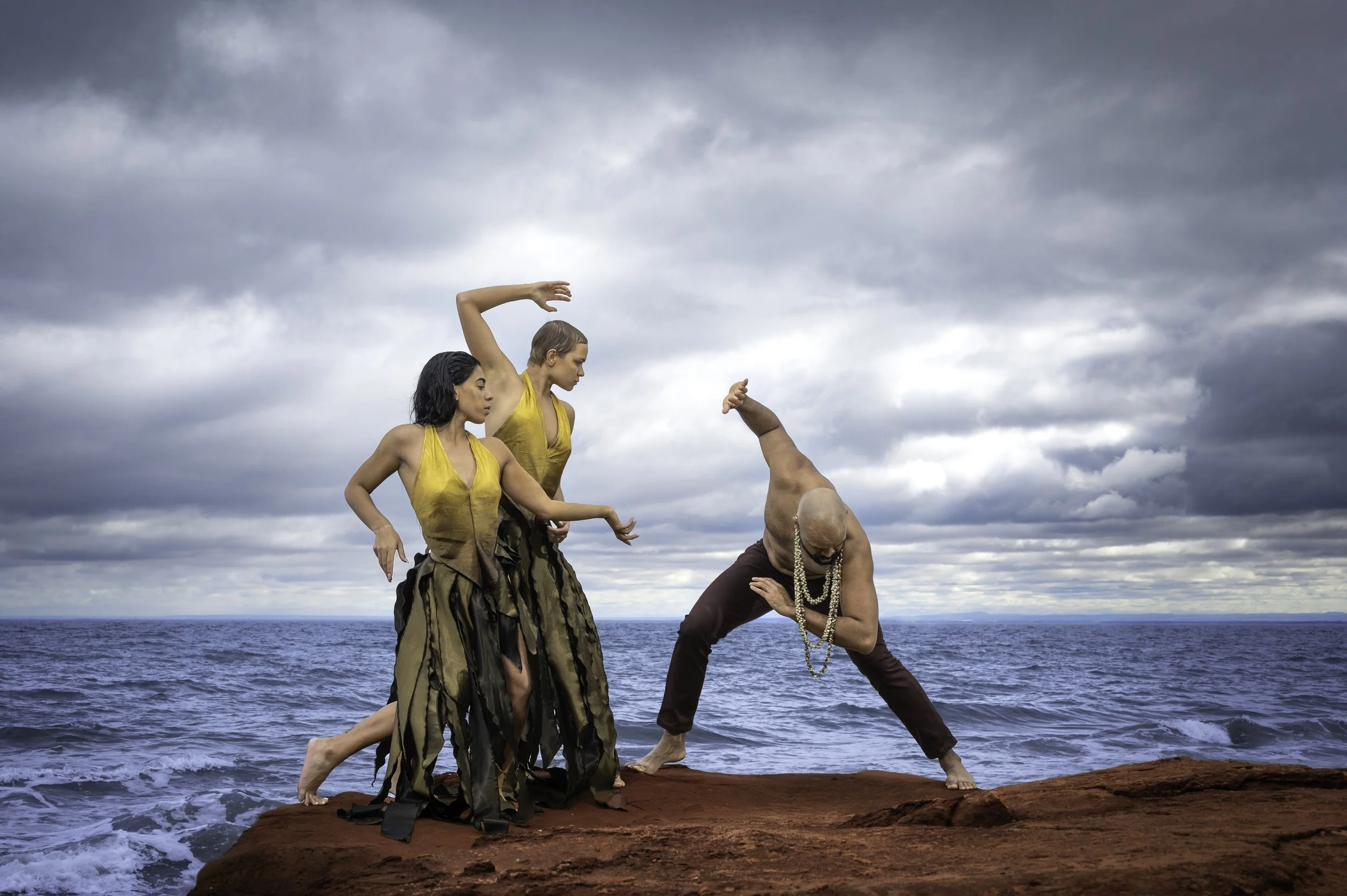
The foundations for this exchange were laid earlier through Jacob Boehme’s residency in Findhorn in August 2025, hosted by Dance North Scotland with support from BlakDance, Creative Australia, Creative Scotland and the British Council. During the residency, Jacob spent time walking the Scottish landscape, meeting local artists, archivists and community members, and participating in deep cross-cultural dialogue that would later shape the development of GUURANDA X RISE.
The visit also included research into Jacob’s own ancestral connections to Scotland, including time spent tracing the history of his great great great grandfather Sir Walter Watson Hughes, the Scottish born pastoralist whose wealth was built on Narungga Country and whose relationship with a Narungga woman forms part of Jacob’s own family lineage. What emerged through this process was a growing understanding of the repeating cycles of colonial displacement that connect Scotland and Australia.
Jacob encountered histories of the Highland Clearances, where Scottish communities were violently removed from their lands to make way for English power and ownership structures. Many of those displaced families were later sent to Australia as settlers and colonists, where the same systems of removal, occupation and dispossession were then enacted against Aboriginal peoples. This circular history profoundly informed the framing of GUURANDA X. Rather than approaching Scotland simply as a touring destination, the work became a dialogue between interconnected colonial histories, inherited memory and Indigenous sovereignty.
The Scotland iteration now begins with this shared encounter. As audiences walk toward the performance site in Findhorn, letters connected to the Highland Clearances are read aloud across the landscape. Audiences are first asked to sit with the grief and rupture experienced by Scottish communities themselves.
The work has also evolved through deep local exchange and listening processes in Findhorn, including encounters with Doric language revitalisation practitioners and conversations with the son of one of the founders of the Findhorn Ecovillage about his own relationship to land, memory and stewardship. These exchanges expanded the cultural framing of the work beyond a simple presentation model into a reciprocal conversation about language, displacement, belonging and ecological responsibility.
As the performance unfolds, Narungga Elders respond with their own stories of dispossession, removal and survival from Guuranda. Their voices are carried alongside Doric and Gaelic translations, creating a layered multilingual encounter across Indigenous and local Scottish languages. In this way, the work creates a full circle moment across continents and histories, where stories of clearing, survival, reclamation and cultural continuity speak directly to one another across generations and lands.
This wider Indigenous international context matters deeply to GUURANDA X.
Across RISE 2026, Indigenous artists from Turtle Island, Aotearoa New Zealand, Colombia and Australia gather through performance, ceremony, workshops and dialogue grounded in sovereignty, ecological care and cultural exchange. Alongside Jacob Boehme, the festival includes First Nations Canadian artists Daina Ashbee and Lara Kramer, Māori artist Paige Shand Haami, Kanien’keha:ka cultural leader Barbara Diabo from Kahnawake on Turtle Island, Colombian Indigenous curator and choreographer Martha Hincapié Charry and Larrakia choreographer Gary Lang. Together, these artists are building an international ecology of Indigenous contemporary practice grounded not in extraction or representation, but in ceremony, reciprocity and future making.
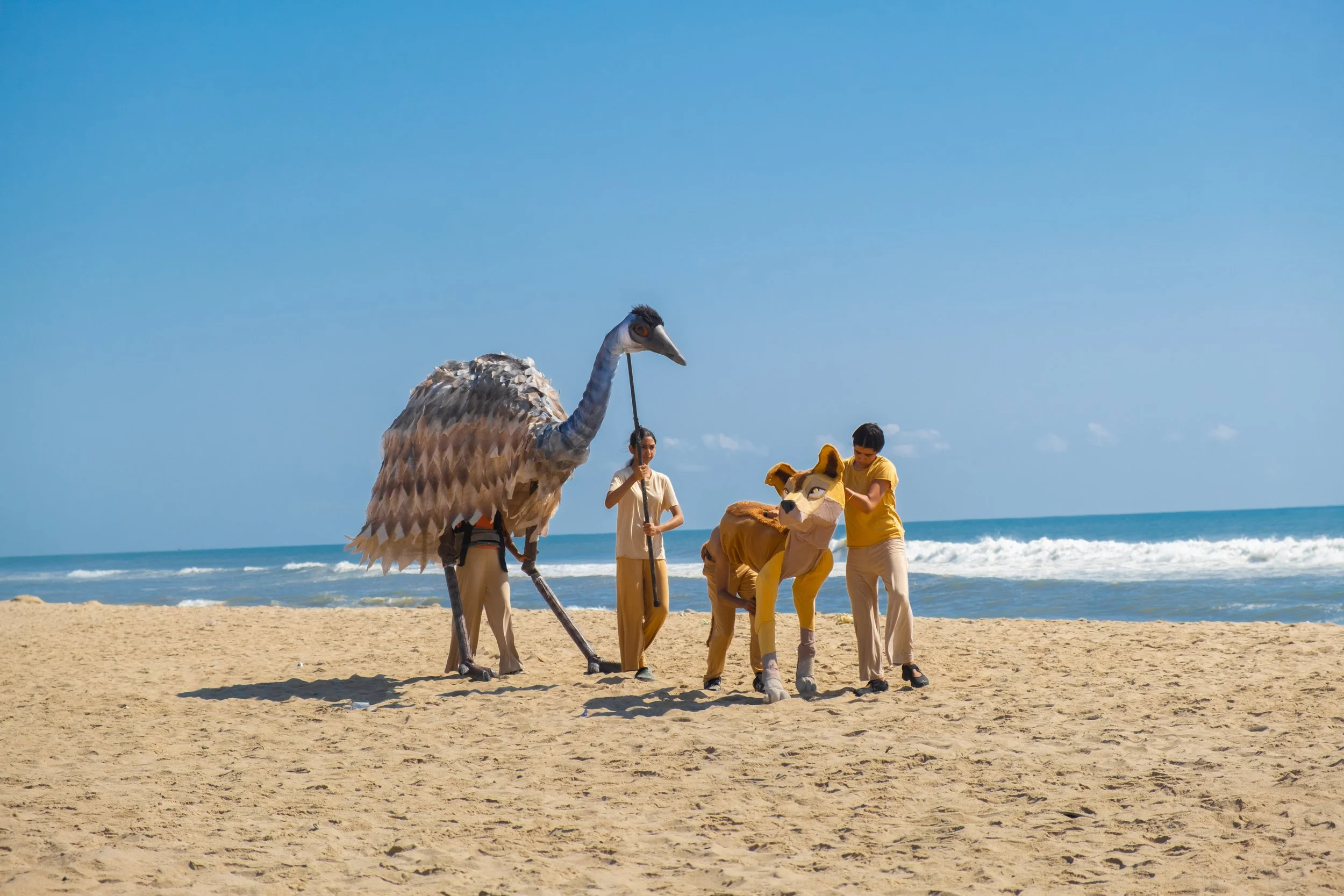
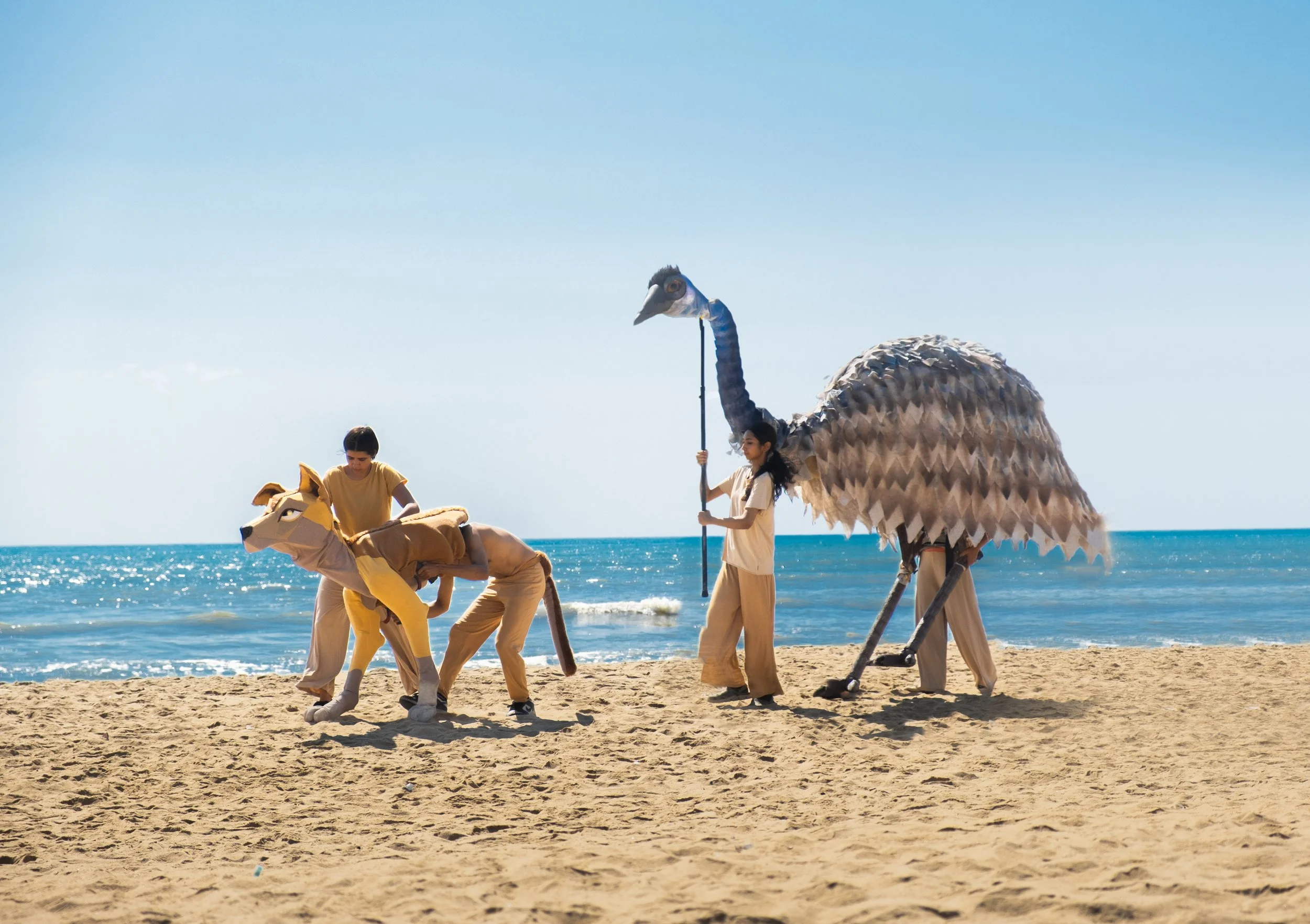
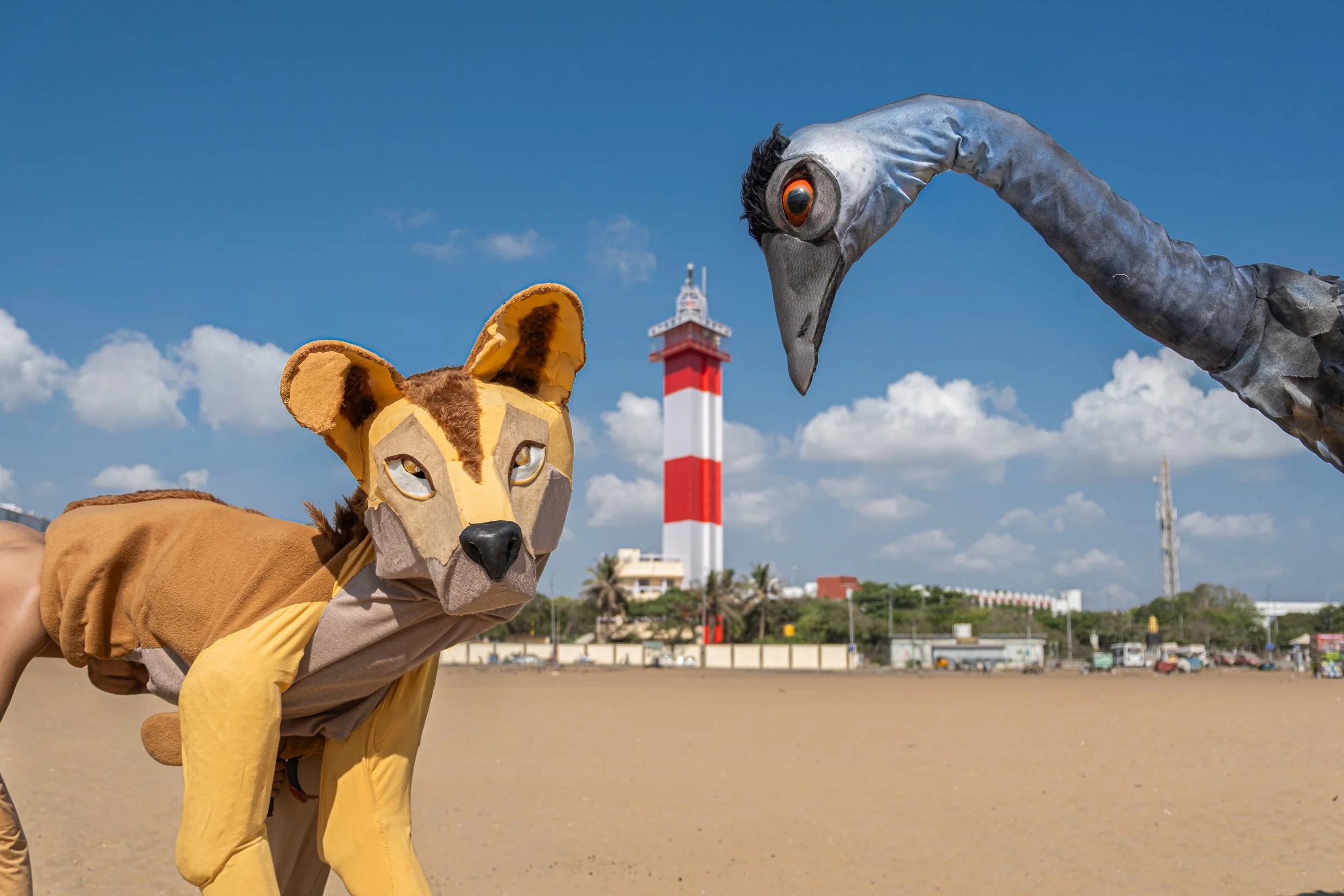
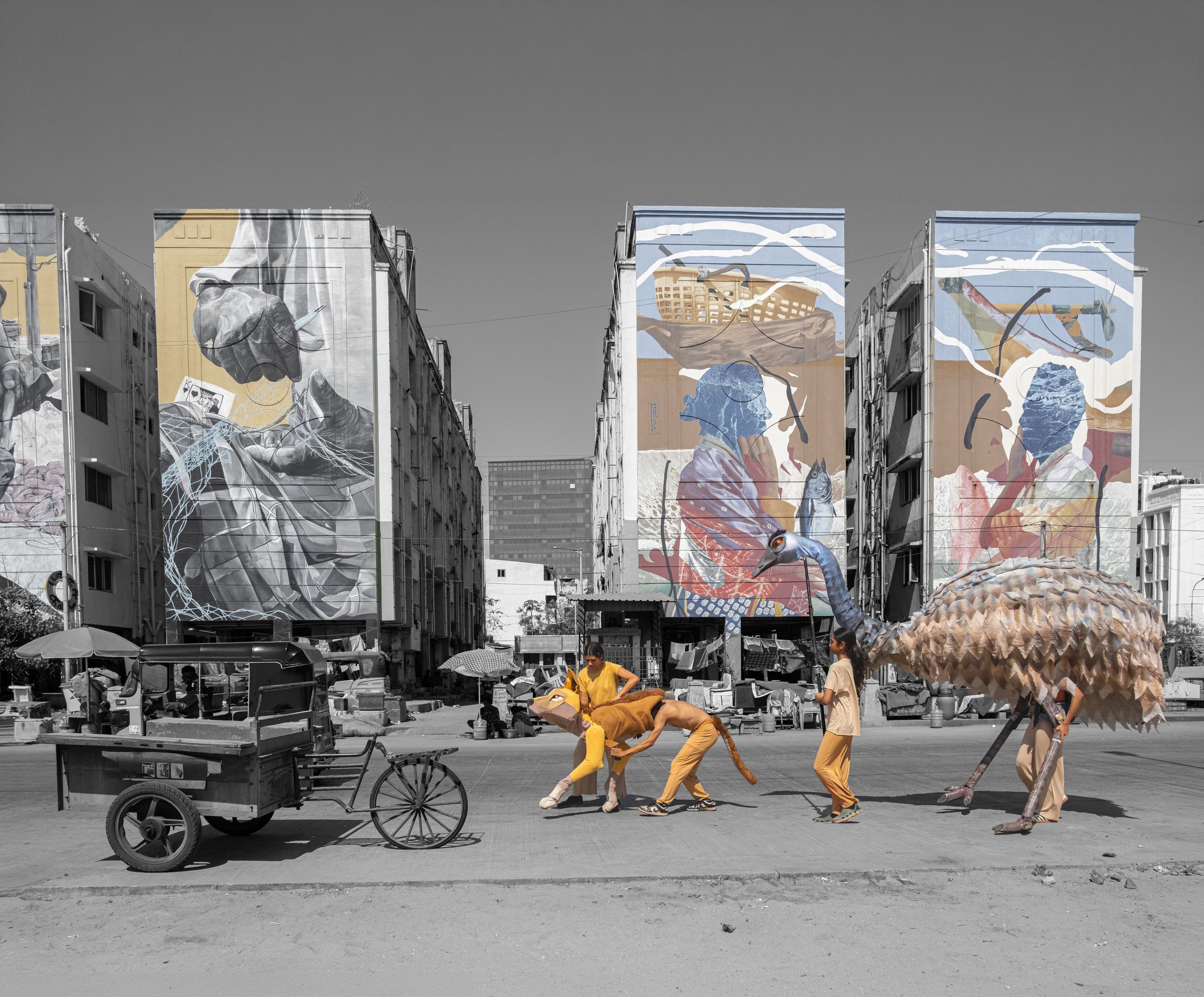
Earlier in 2026, Jacob and Narungga Elders also developed GUURANDA X KMMC in Chennai, India, through a major collaboration with AR Rahman’s KM Music Conservatory. Students participated in online cultural immersion sessions led by Jacob and Narungga Elders, learning Narungga stories, language and cultural protocols while adapting the original score into new live choral compositions. This reciprocal structure now forms the basis of GUURANDA X’s future international touring model.
For Narungga Elder Aunty Lynette Newchurch, the implications are profound.
“It shows our culture is strong,” she explains. “It shows the respect between our communities. This project is important because it keeps our stories alive and helps them travel the right way – with care, with guidance, and with family.”
Historically, First Nations contemporary dance and theatre have often been misunderstood within dominant Western arts systems. Indigenous Cultural and Intellectual Property (ICIP), cultural governance, relational accountability and ceremonial process have frequently sat outside mainstream producing frameworks that prioritise reproducibility, speed, efficiency and extractive touring economies.
GUURANDA X proposes another possibility.
As Australia’s national industry and producing organisation for contemporary First Nations dance, BlakDance has supported the development of GUURANDA X through producing support, presenter advocacy, strategic market development and long term international partnership building grounded in Indigenous leadership and community control.
This work is not easy.
International touring for community-led First Nations performance requires years of invisible cultural labour: protocol negotiation, community accountability, resource advocacy, relationship building and sustained investment in trust across countries and institutions.
Yet moments like GUURANDA X RISE demonstrate what becomes possible when those structures are built carefully over time. GUURANDA X is more than a performance. It is a gathering across lands, languages and histories, where ceremony, story and cultural exchange create a living model for how Indigenous contemporary performance can move through the world with reciprocity, care and accountability to Country and community.
Credits:
Images (in order of appearance):
Images 1–7: GUURANDA, Adelaide Festival 2024. Photos: Tim Standing.
Images 8–12: GUURANDA X KMMC, Chennai, India. Photos: TJ Garvie.